
Reviewed · PALMA OLD TOWN WALKING TOURS
Palma: Walking Tour with Mediterranean Delicacies
Palma isn’t short on sights, but this tour is different because it connects what you see on the street to who controlled the city and why. You’ll get Palma’s historic center explained in a clear, step-by-step way, and you’ll finish with Mediterranean tastings at a real market, not a staged snack stop.
I especially like the way the route links trade and power, from the Consulado del Mar to the old fishing district. I also like that the market stop focuses on what to look for and how the foods work together, so you leave with more than just a full stomach.
One consideration: it’s a walking tour on uneven streets and it’s not suitable for wheelchair users, plus you shouldn’t bring luggage or large bags.
Key things you’ll notice on this Palma tour
- Layer-by-layer Palma history, from Roman and Moorish influence to Aragonese rule
- Consulado del Mar and the story of maritime trade that shaped daily life
- Es Baluard views over Palma and the harbor area
- Paseo del Borne for aristocratic-era streets that later became top-end hotel addresses
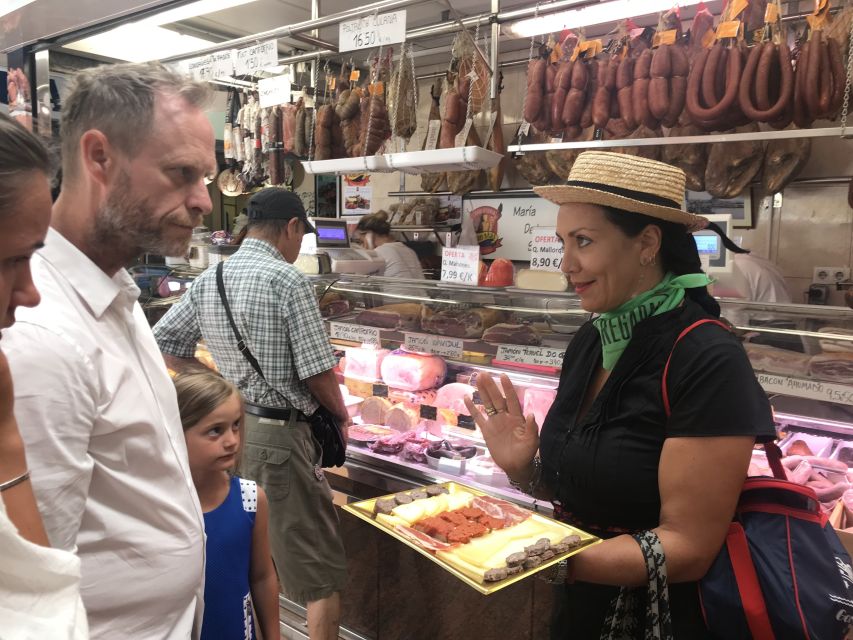
- Mercat de l’Olivar tastings with a strong local food focus
- Guide quality highlighted by standout feedback for guides like Maja and Stefan
Palma’s walkable story, from Roman streets to Moorish shadows
Palma rewards people who like connections. Standing in the old city, you can feel that the “same place” kept changing hands, and this tour turns that feeling into a timeline you can actually picture.
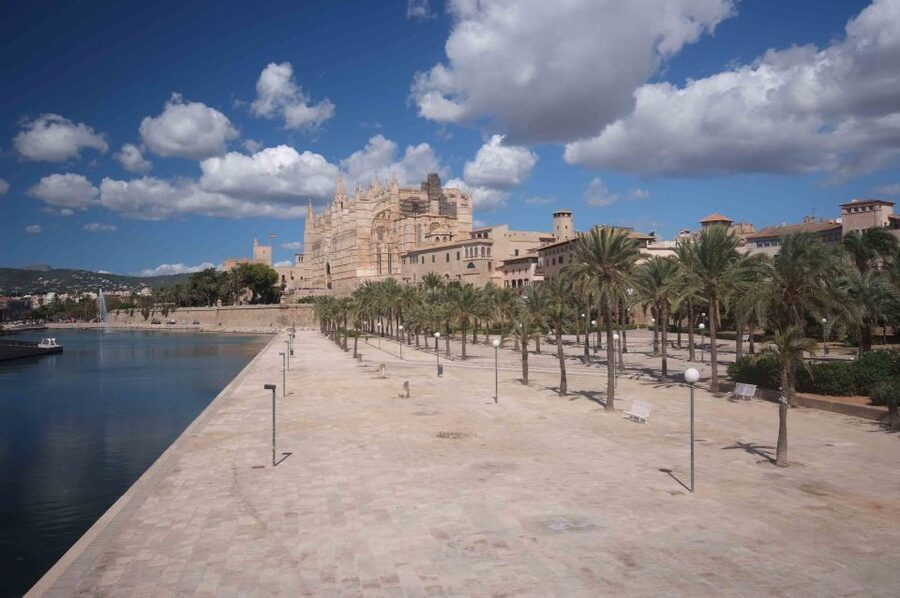
The route starts under Parc de la Mar, with a look at how Palma formed and how politics shifted over time. You’ll hear how the city was shaped by the Romans, Ostrogoths, Vandals, Byzantines, Moors, and later the royalty of Aragon. The best part is that you don’t just get dates, you get the reason behind the changes, like how power and location affected trade, streets, and buildings.
If you’ve ever walked through an old city and felt like you missed the plot, this kind of tour helps you connect the dots quickly. And since it’s a guided walk, you’re not stuck staring at stone and guessing what matters.
More Palma old town walks:
- Palma de Mallorca: Guided Tour of the Old Town
★ 4.9 · 822 reviews - Palma de Mallorca: Old Town Atmospheric Evening Tour
★ 4.8 · 706 reviews - Palma de Mallorca: City Walking Tour with The Cathedral
★ 4.0 · 657 reviews
Parc de la Mar to the fishing harbor: where trade really ran the town
After the opening area near the cathedral, you move toward the maritime side of Palma. This is where the tour gets practical, because you learn what life depended on long before tourism became a thing.
You’ll head past the fishing harbor area and see the maritime trade exchange concept tied to a key historic site: the Consulado del Mar. Even if you don’t go inside (entry fees are not included), the story of the building is the point. Its role changed over the years, and today it’s described as the most important political building of the Balearic islands.
Then you go through the old fishing district, which helps the city feel lived-in rather than museum-like. You’re basically walking the old work routes, and that changes how you interpret the streets. From there, you reach Es Baluard, the fortress complex that’s famous for its harbor and city views.
Even if you’re not a “view person,” those angles matter. They show you how Palma sits, why the harbor mattered, and how the old walls and elevations shaped movement.
Es Baluard to the maze of streets: turning architecture into clues
From Es Baluard, the walk transitions toward the heart of the old town. There’s a segment that passes by cultural landmarks, including the Museu d’Art Modern i Contemporani, and then you enter the tight street grid where old Palma feels like a puzzle.
This part is all about pacing and orientation. If you’ve been to Palma before, you may still appreciate it because you’re guided through the “maze” rather than forced to navigate it cold. If it’s your first time, this is where you’ll learn what areas are actually central, and where the city’s rhythm changes.
One thing I like about this style of tour is that it doesn’t treat you like a passive audience. You’re moving at a comfortable speed through the streets, with enough stops to make the history land, but not so many that you lose momentum.
Paseo del Borne: romantic stroll, aristocratic addresses
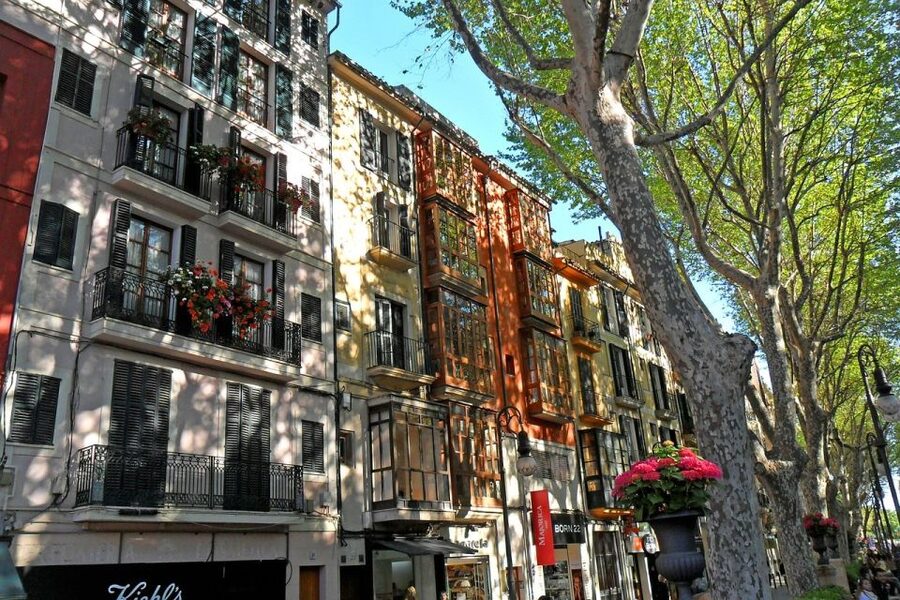
Then comes Paseo del Borne, and yes, it earns the reputation for being romantic. The tour frames it as more than a pretty walk by explaining how the area developed and who occupied it.
You’ll see the former houses of the aristocracy, and today many of those addresses are tied to 5-star hotels. That contrast helps you understand why some streets look the way they do. It also gives you a quick read on how Palma’s social map used to work.
This segment is especially good if you like street-level atmosphere. You can feel the shift from trade-focused areas to the more polished, status-oriented parts of the city. And because the guide keeps connecting what you see to why it happened, it doesn’t feel like you’re just taking photos and hoping for context.
More walking tours in Mallorca:
- Palma de Mallorca: Foodie Walking Tour of the Old Town
★ 4.6 · 372 reviews - Private walking tour in Palma de Mallorca with local guides.
★ 5.0 · 182 reviews - Palma, Cathedral & Valldemossa: Guided walking Tour
★ 4.1 · 182 reviews - 2-Hour Private Walking Tour Through Palma’s Jewish Quarter
★ 5.0 · 66 reviews
Upper city viewpoints: Almudaina Palace, town institutions, and cathedral sightlines
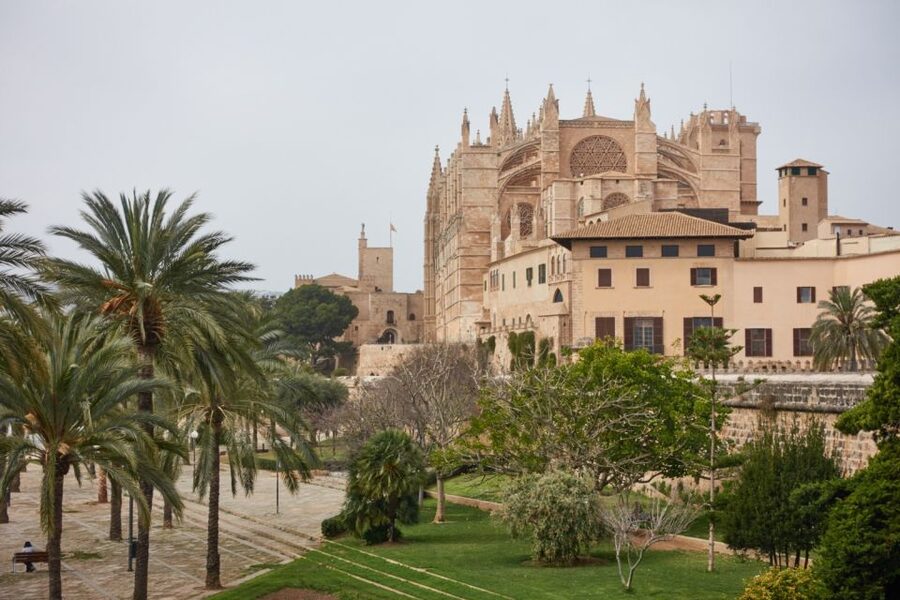
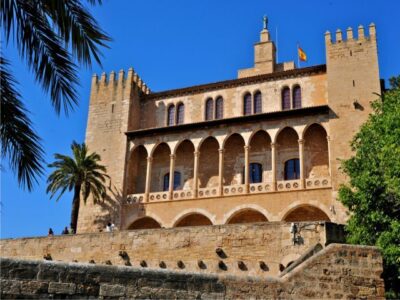
Next you move into the upper city area, where the tone gets more political and monumental. You’ll encounter references to the historical town hall, the parliament, and Almudaina Palace as part of the story of Palma’s governance and influence.
A big payoff here is the way the group walks toward impressive cathedral views while hearing the cathedral’s history and why it matters. Entry fees are not included, so plan to treat this as a “see and understand” stop rather than a timed ticket mission.
This matters for your time management. If you’re traveling with limited daylight, or you want a tour that doesn’t depend on you coordinating separate admissions, this kind of structure makes sense. You get the cathedral context and the best sightlines without turning your half-day into an entry-fee spreadsheet.
Mercat de l’Olivar: how to shop for flavor and then taste it
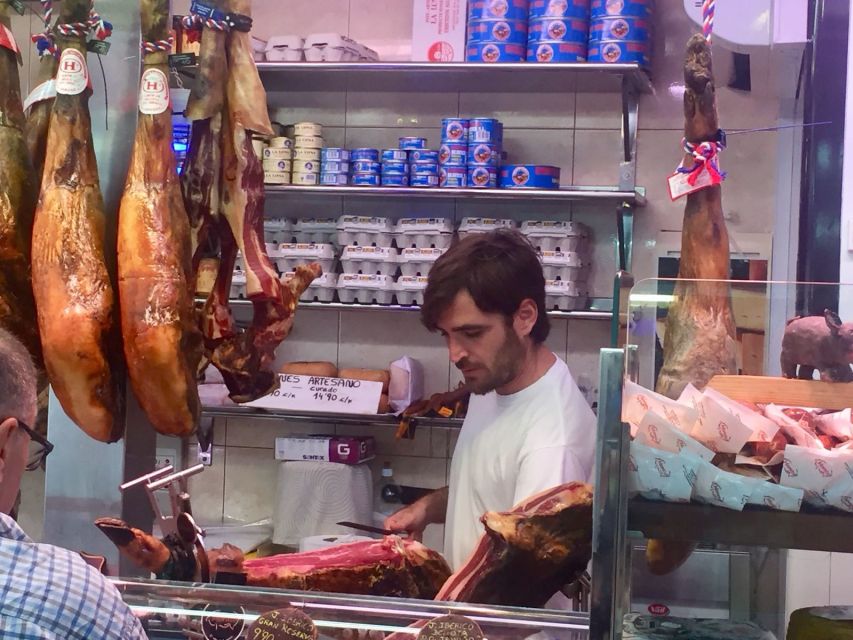
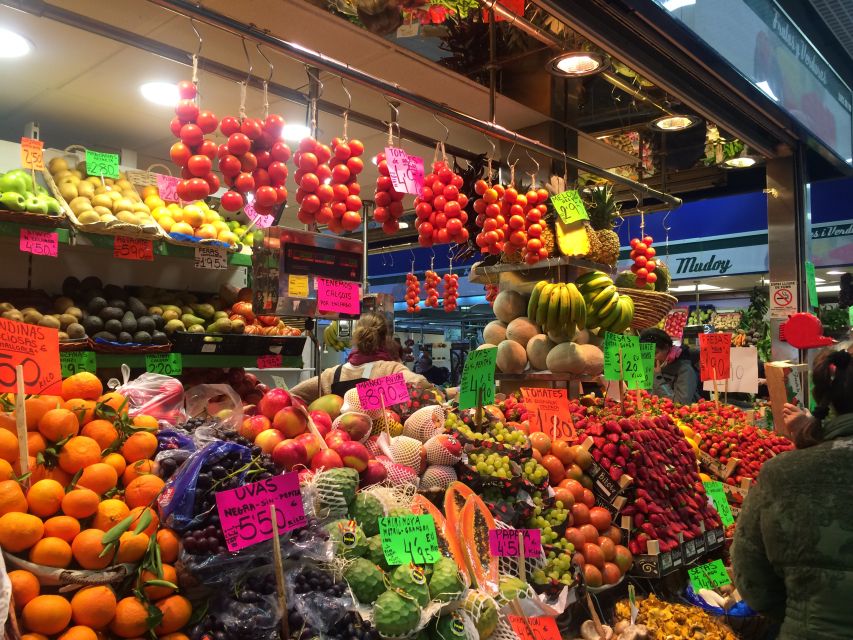
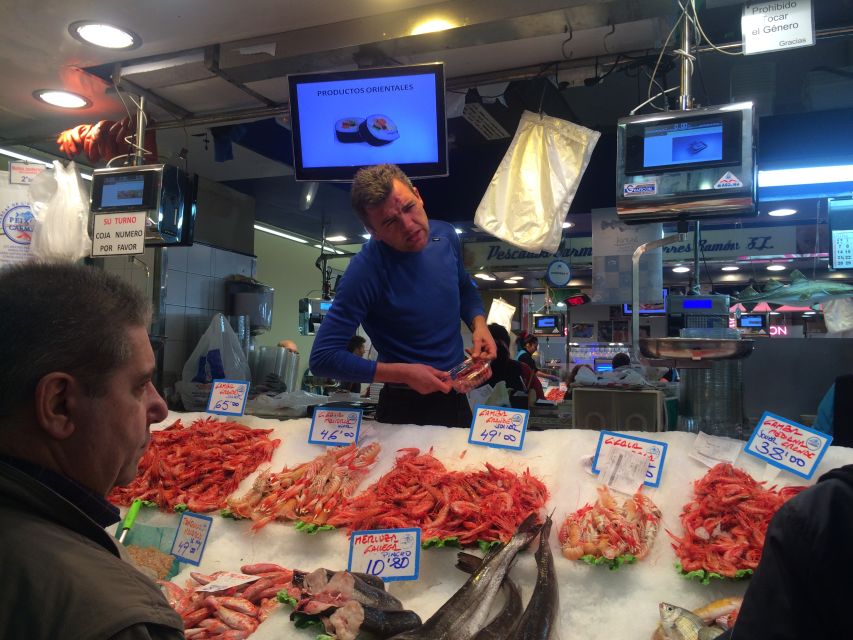
The tour ends at Mercat de l’Olivar, and this is where the experience turns from history lecture to food education. The market is described as having a huge selection of Mediterranean products, and the tour is built around that variety.
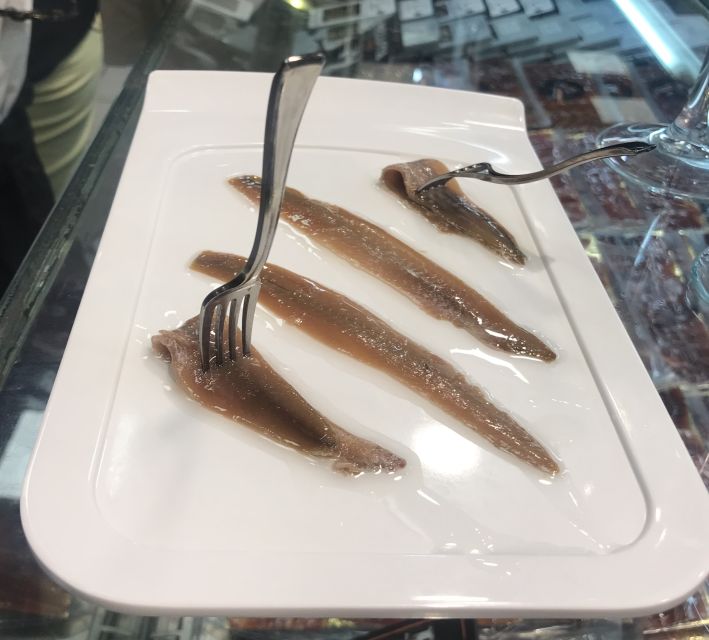
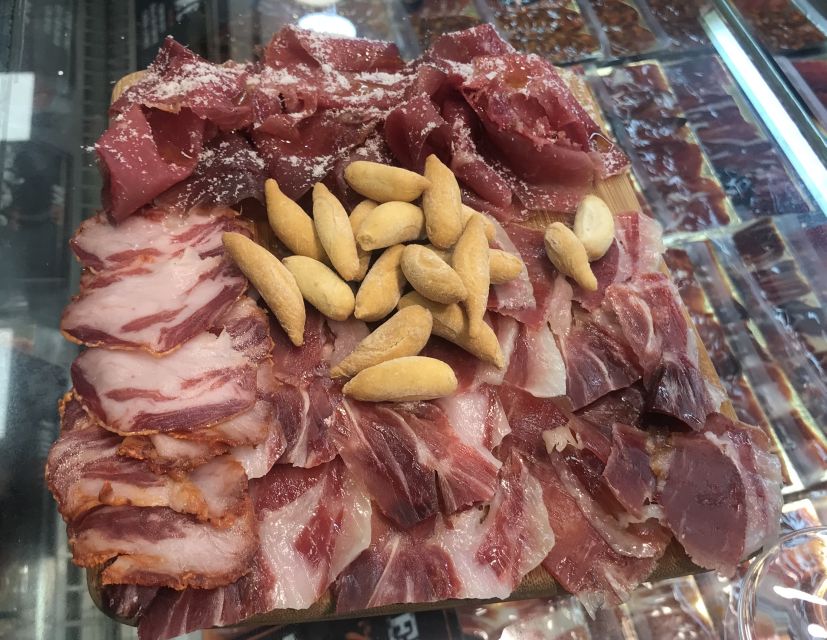
You’ll get a guided visit where the focus is on what’s there and how regional dishes come together. Then you’ll have a tasting of local specialties as part of the tour. Based on guidance and examples from feedback, you can expect classic Mallorca-leaning flavors like cheese and ham, plus other market items that fit the Mediterranean style.
What makes this market stop valuable is that it’s not just eating. It helps you learn what to look for if you return on your own, because you understand the ingredients and the logic behind the choices. When you know the “why,” market wandering becomes easier and more fun.
If you’re trying to pick out souvenirs that actually make sense, this is also a good moment to reset your taste expectations. You’ll likely come away with a clearer idea of what’s worth buying and what fits Mallorca’s food identity.
Price, time, and why this is good value for a small group
The price is $347 per group up to 4, and it lasts about 2.5 hours. That pricing only makes sense if you’ll use the group format well, but if you can fill the seats, it can be a strong deal compared with per-person tours that feel rushed.
For example, if you book with a full group of four, the math comes out to roughly $87 per person before you add anything extra at the market. You’re getting a guided walk, a market visit, and a tasting included. Entry fees and additional food and drinks are not included, so you should budget a bit extra if you want to keep snacking after the tour ends.
The timing is also practical. Two and a half hours is enough to get orientation and key stories, but short enough to fit into a busy Palma day. You’re also not stuck waiting around for formal museum entry times, which helps if your schedule is tight.
Meeting point details that prevent the usual travel stress
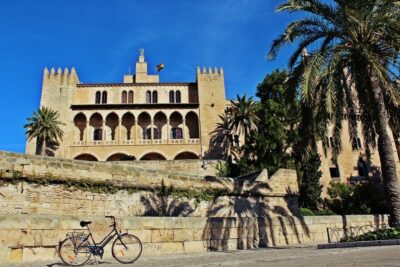
The meeting point is Lennox The Pub – Palma, at Avinguda d’Antoni Maura 22, near the corner of Carrer de Vallseca. It’s described as being along the Paseo del Borne direction toward the sea, under the Almudaina Palace.
If you’re using a navigation app, make sure you select the correct Antonio Maura street. The note here is that the meeting point is in central Palma, not in an outlying area, so it’s easy to mis-pin if you choose the wrong option.
For transport, it’s near the bus stop for lines 15 and 25 (Placa Reina). The area also mentions parking at Parc de la Mar, plus a taxi rank in front. In other words, you can arrive a few ways without turning it into a mini expedition.
How the guide style affects the whole experience
This kind of tour lives and dies by the guide. The feedback you can take seriously here is that guides have been praised for being warm, approachable, and attentive to questions and preferences.
Two names that come up in standout feedback are Maja and Stefan. The consistent idea in their praise is that they take time, explain clearly, and adjust to the group when possible. In practice, that means you’re more likely to walk away understanding how the city works, not just memorizing a few facts.
If you speak German or English, you’ll be in good shape since the tour is offered with live guiding in those languages. And because it’s a walking format, having a guide who can explain while you move is what turns “interesting” into genuinely useful.
What to bring, what to avoid, and how to stay comfortable
Wear comfortable shoes. The tour is fully walking-based, and Palma’s old streets can be uneven, which is why the tour specifically notes it isn’t suitable for wheelchair users.
You should also plan to travel light. The tour notes that luggage or large bags are not allowed, which is normal for tight streets. If you’re coming straight from your hotel, use a small day bag and keep it manageable.
As for time management, aim to arrive a few minutes early. The meeting point is central, but the corner can still be tricky if you show up late or your GPS misfires.
Who should book this Palma experience?
Book this tour if you want a first-time-friendly Palma orientation that doesn’t ignore the food. It’s a smart fit for people who like history when it connects to everyday life, like trade, fishing, and how institutions shaped the city.
It’s also a good choice if you’re traveling with only a small group. A private group option is available, which tends to make a walking tour feel less rigid and more personal.
One more group-type match: if you love food markets and you like learning how regional cuisine works, you’ll appreciate that the tastings are tied to understanding the Mediterranean products you see around you.
If you struggle with long walks or need step-free access, then this one is not the right match because it’s not suitable for wheelchair users.
Should you book this Palma tour?
Yes, if you want a compact way to understand Palma’s layers and end with a food-focused market stop. The included tasting plus the guided route through the old city makes the price easier to justify, especially if you can book up to four people and keep the group small.
I’d skip it only if you dislike walking, you need wheelchair access, or you’re expecting lots of paid entry attractions. Here, the value is in the guided story and the market tasting, not in stacking museum tickets.
If you’re planning a tight Palma day, this is one of the better ways to get bearings fast, then continue on your own with better taste and better context.
FAQ
Where does the tour start?
The tour starts at Lennox The Pub – Palma, at Avinguda d’Antoni Maura 22, near the corner of Carrer de Vallseca.
Where does the tour end?
The tour ends at Mercat de l’Olivar.
How long is the tour?
The duration is 2.5 hours (a guided tour component of about 2 hours plus time for the marketplace portion).
Is the tour guided, or self-guided?
It is a live guided tour with an informative guide.
What languages are offered?
The live tour guide is available in German and English.
What’s included in the price?
Included are the guided tour, the marketplace visit, and a tasting.
What is not included?
Entry fees are not included, and additional food and drinks are not included.
Is it suitable for wheelchair users?
No, it is not suitable for wheelchair users.
What should I bring, and what should I avoid?
Bring comfortable shoes. Luggage or large bags are not allowed.
Is free cancellation available, and can I pay later?
Free cancellation is available up to 24 hours in advance for a full refund. You can also reserve now and pay later, keeping plans flexible.
Recently reviewed around Mallorca
- Guided Kayak & Hike from Sant Elm to Sa Dragonera★ 5.0 · 28 reviews
- Western Water Park, Entrance tickets★ 4.0 · 30 reviews
- Sailing Flavors, Gastronomy and Relaxation at Sea★ 5.0 · 15 reviews
- 60 minutes Jetski Rental in Alcudia Bay★ 4.5 · 33 reviews
- Yoga and Brunch on the beach★ 5.0 · 9 reviews
- Wine tasting with wines from the smallest wineries in Mallorca★ 5.0 · 10 reviews
- Western Water Park Day Trip from Mallorca★ 3.5 · 6 reviews
- Sa Clasta Wine Tours, Mallorca★ 4.5 · 20 reviews
Palma Old Town Walking Tours, compared.
Palma de Mallorca Old Town Guided Bike Tour (Small Groups)
Read our review →
Palma, Cathedral & Valldemossa: Guided walking Tour
Read our review →Browse the lists this tour appears in