
Reviewed · PALMA OLD TOWN WALKING TOURS
Palma de Mallorca: Guided Tour of the Old Town
Palma’s old town is interesting because the city still reads like a story, every street hinting at who traded, ruled, and worshiped here. I like how this tour ties big landmarks to the people and builders behind them, and I also like the focus on smaller details like patios and lesser-known architecture. One thing to consider is that it is a nonstop walk, so you will want comfortable shoes and you should plan around a full 2 hours on foot.
A big reason this tour lands so well is the guide quality. German-speaking guides such as Maja and Yvonne are known for strong local context and for answering questions in a way that makes Palma feel personal, not like a list of facts. The only drawback for some people is that it is not suitable for wheelchair users, and large bags are not allowed, so keep your load light.
Key things you will really enjoy
- La Seu Cathedral stories that connect major builders and Palma’s Mediterranean power
- La Lonja exchange and the trading mindset behind the buildings near it
- Patios as a practical architectural theme, not just a pretty feature
- Old and new contrasts, including modernisme buildings alongside medieval streets
- Civic and religious power sites like the episcopal palace and Plaça Cort
- A smooth old-town route that ends with culture and food atmosphere
Walking Palma’s old town with a guide who makes the city make sense
Palma de Mallorca is one of those cities where the guide can change everything. Without context, you see beautiful stone and moving people. With context, you start to notice patterns, like how merchant wealth shaped the city center, or how different powers left their marks in squares, palaces, and religious buildings.
This tour is built for that kind of noticing. You cover the historic core on foot with a live guide and a pace that fits roughly 105 minutes (about 2 hours). The route is designed to help you get your bearings fast, so you can walk Palma again later on your own and still know what you are looking at.
If you booked the group option in German, you will hear stories in German. If you want flexibility, there are also private tours and small groups, including options in English, French, and German. That matters in practice, because architecture is easier to understand when you can follow the explanation without straining.
One more practical point: there is no mention of entrance tickets being included, so you should assume you might pay some entry fees later depending on what you choose to do at the stops. Also, there is no food or drinks included, so you will get atmosphere, not a meal.
More Palma old town walks:
- Palma de Mallorca: Old Town Atmospheric Evening Tour
★ 4.8 · 706 reviews - Palma de Mallorca: City Walking Tour with The Cathedral
★ 4.0 · 657 reviews - Palma de Mallorca Old Town Guided Bike Tour (Small Groups)
★ 4.6 · 563 reviews
La Seu Cathedral: why Pere Morey and Guillem Sagrera matter
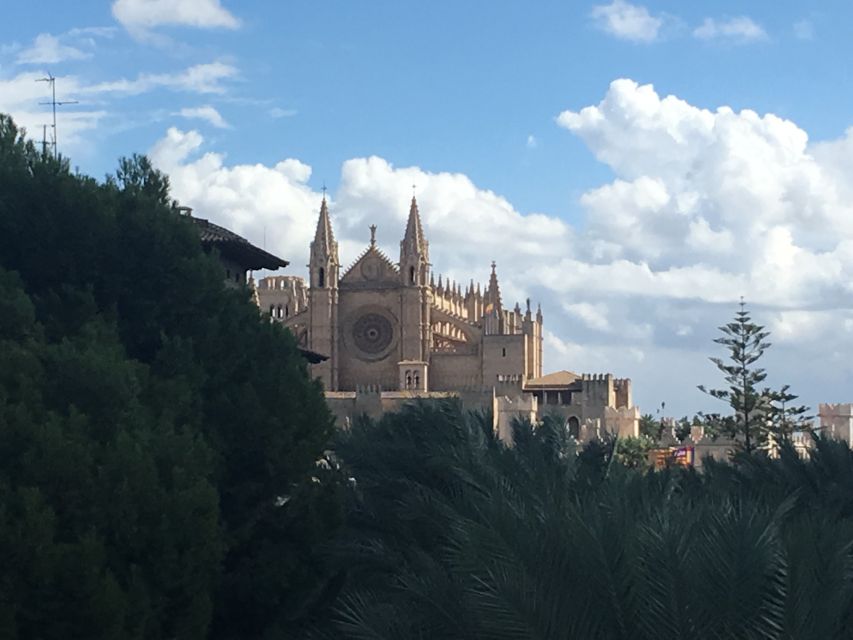
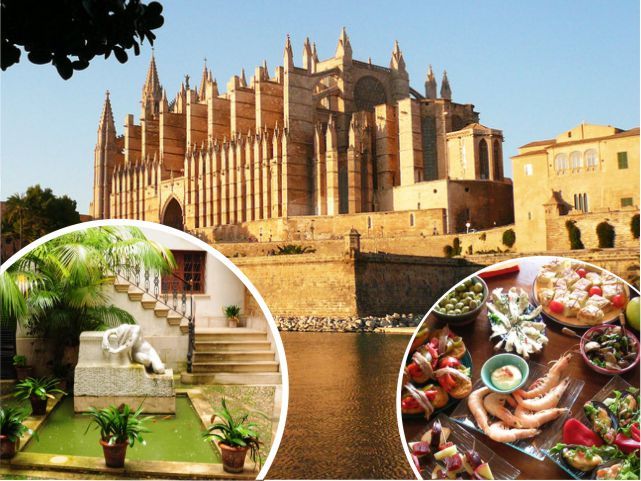
The tour’s anchor is the La Seu cathedral, Palma’s most famous religious monument. What makes this stop more than a quick photo stop is the way the guide frames it as part of a bigger system. Palma’s cathedral is not only about faith. It is also tied to the city’s wealth and to the builders who shaped it over time.
You will learn about major names connected to the cathedral, including Pere Morey and Guillem Sagrera. For most visitors, those names mean nothing at first. For you, through the guide’s explanation, they become reference points. You start to connect style and construction choices to the people who worked on the building, and that makes the cathedral feel less like an object and more like a long project with real human effort behind it.
Look for visual clues as you go. Even if you are not an architecture person, you can usually spot the differences between sections and styles when you know what the guide is pointing to. This is one reason guided tours often feel worth it here: the guide tells you what to notice, so your eyes do useful work instead of just collecting images.
A small consideration: the cathedral area is popular, so expect crowds in the streets near it. The tour helps you navigate that with timing and context, but you still should plan to move through lively public space.
La Lonja exchange plus Consolat de Mar and BORN, Palma’s trade power in stone
Right near La Seu is La Lonja (the exchange), and this is where Palma’s Mediterranean story really sharpens. The exchange building is a visual reminder that commerce needed serious architecture. It is one of the best ways to understand why this city became important in the first place.
On this tour, you do not just see the building. You learn what it represented when Palma’s most important economic area was the Mediterranean Sea. The exchange, the cathedral zone, and surrounding institutions all connect into one picture: merchants needed meeting places, legal structure, and confidence that business could move smoothly.
From there, you also head toward other sites linked with maritime and commercial life, including Consolat de Mar and BORN. Even if you have never heard these names, the guide’s explanation tends to make them easy to place. You begin to understand Palma as a working port city, not just a sightseeing destination.
Why I think this part is valuable for you: it gives your trip a logical thread. After these stops, you are less likely to see Palma as a random set of pretty streets. You will see it as a city built around movement, trade, and rules, then filtered through religion and government.
Almudaina palace and the courtyards called patios
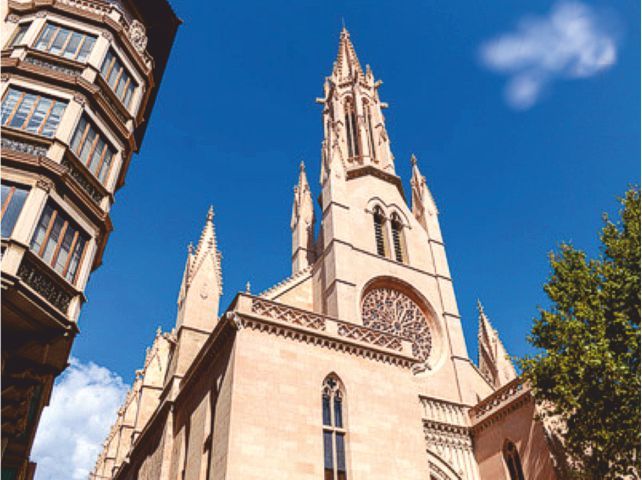
Palma has a second layer that many people miss when they only chase the biggest monuments: the residential and everyday architecture. This is where Almudaina palace and the concept of patios becomes central.
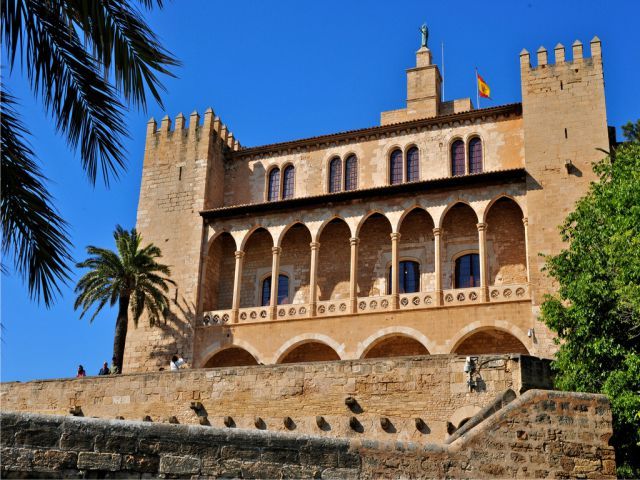
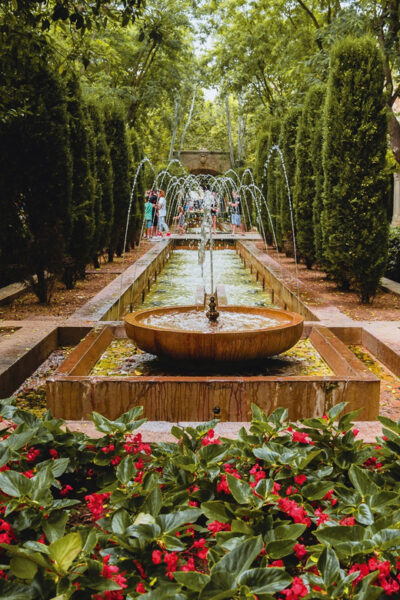
The tour highlights Almudaina palace, and you also learn about the ornate courtyards known as patios in Spanish. This is not just a decorative idea. Patios are practical. In warm climates, they help shape how air moves and how daily life works around shaded spaces. When you understand that, you start to see the architecture as something designed for living, not just for viewing from a distance.
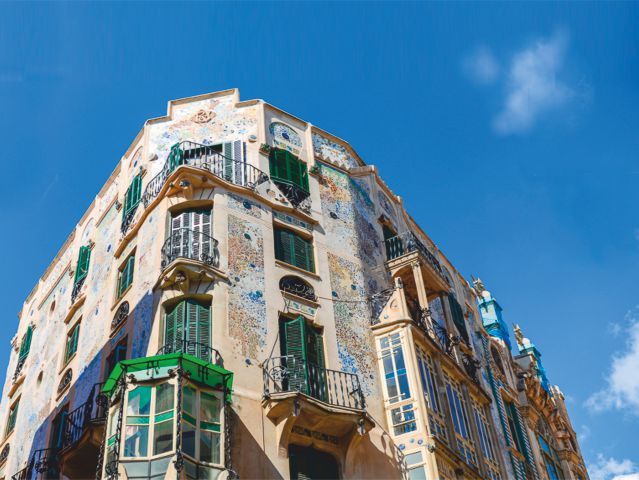
You are also going to notice how Palma mixes eras. The tour includes attention to modernisme buildings, which is a big deal for a city often described only with medieval terms. Modernisme does not replace the older world. It adds another chapter, and the contrast makes the city feel more real.
Small tip for you as you walk: slow down in places where you see courtyards or side entrances. Even when you cannot go inside, there is usually enough to spot the shape and layout of patios. That is often what separates a good self-walk from a confused one.
A few more Mallorca trips worth comparing
- Cala Varques: Guided Sea Caves Kayak & Snorkeling Expedition
★ 4.8 · 534 reviews - Alcudia: Guided Sea Kayaking Tour with Snorkeling
★ 4.8 · 435 reviews - Cala Millor/Sa Coma: Guided Buggy Tour
★ 4.6 · 289 reviews - Mallorca: Son Moix Stadium Guided Tour
★ 4.0 · 263 reviews
Jewish quarter, episcopal palace, government buildings, and the city wall
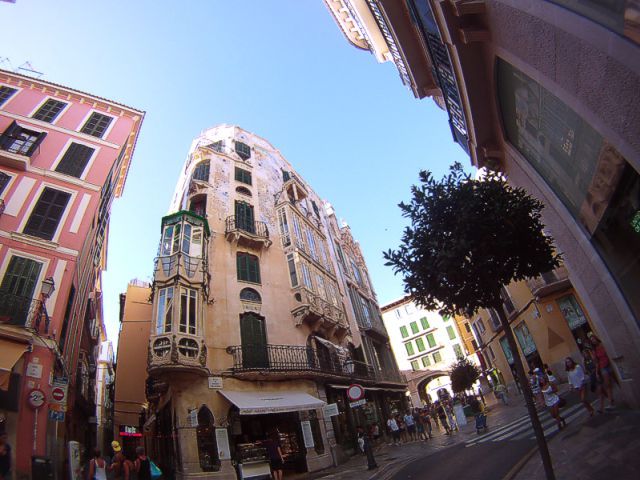
A great old town tour does one thing extremely well. It shows you power structures and how they were laid out in space. On this route, you visit key parts that help you understand those layers, including the Jewish quarter, the episcopal palace, and government-related buildings.
You will also see the city wall, which changes your sense of scale. Without the wall, old towns can feel like open-plan romantic streets. With it, you see how the city protected itself and defined boundaries.
This part of the walk is worth paying attention to because it helps you read Palma like a map of relationships. Religious authority is physically visible near the cathedral zone. Civic and administrative life shows up in squares and official buildings. The Jewish quarter adds another perspective, letting you understand the city’s mixed community history in a grounded way.
One possible drawback: because this section involves multiple sites and story beats, you might want to bring a mindset of curiosity rather than trying to memorize everything. The stories add up, but your enjoyment is higher if you let the tour teach you what to notice, then you go back later and pick one or two themes to explore more deeply.
Plaça Cort and the feeling of daily Palma
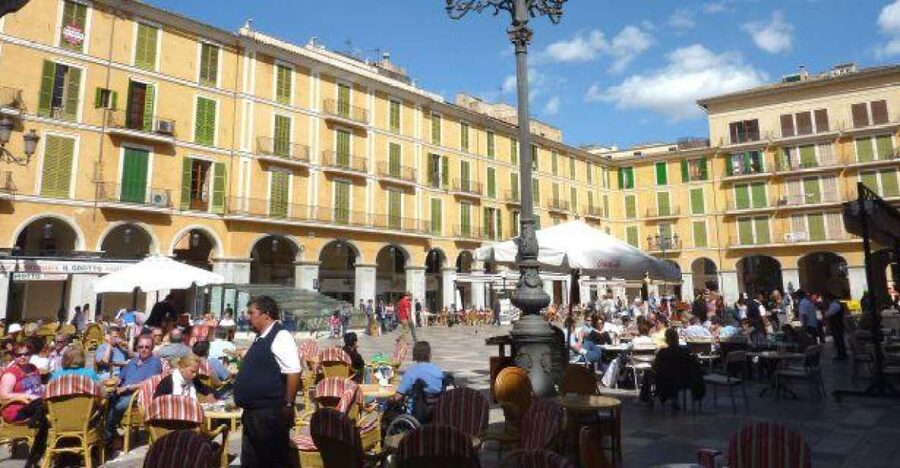
Not every old town stop is about monuments. Plaça Cort is a good example of why squares matter. Squares are where the city breathes. They are meeting points for daily life, and they often sit near civic buildings and institutions.
This tour uses Plaça Cort as a way to shift from grand structures to everyday rhythm. You get the chance to connect what you learned about government and civic power with how people actually move and gather in public space today.
If you like walking tours that teach you how to re-enter a city after the guide leaves, pay attention here. Squares help you reset mentally. After Plaça Cort, you tend to walk faster with a better sense of direction.
Also, note that this is where the atmosphere of Palma becomes more Mediterranean. You will feel the energy without it turning into chaos, which is important during a 2-hour route that still needs time for meaningful explanations.
Es Baluard and the market hall: culture and Mediterranean food atmosphere
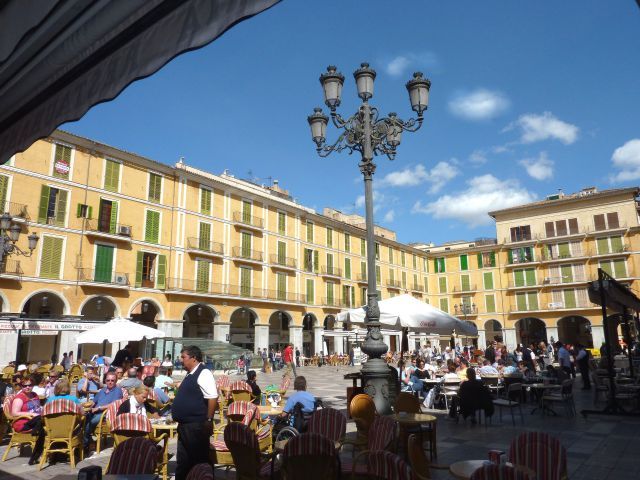
After the architectural and historic focus, the tour adds two kinds of balance: culture and food mood.
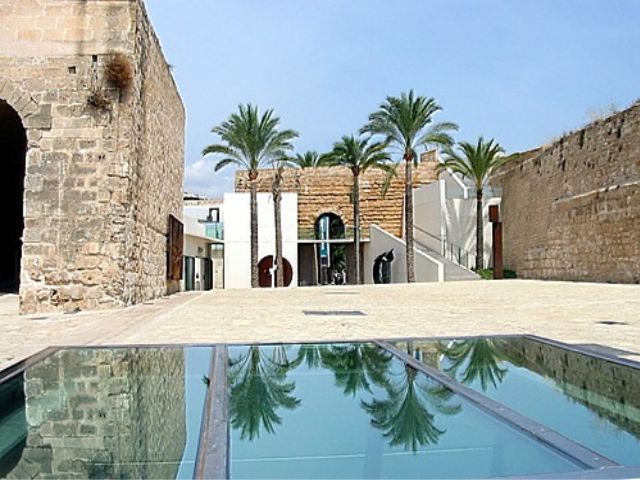
First is Es Baluard, a stop that gives you a break from pure old-world stone. You will visit the museum area, which adds a modern cultural layer to the day. You are not meant to treat it as an optional extra. It works as a bridge, reminding you that Palma is not frozen in time even if the streets feel ancient.
Then you get the market hall moment. The tour aims to show you the culinary diversity of Mediterranean cuisine as you stroll. This is not a food tour with a tasting lineup. It is an introduction to the flavors and market life you can seek out later on your own.
What this does for you: it keeps the trip human. After learning about builders, architecture, and history, seeing how people shop and eat brings the city back to daily life.
If you are the type who likes to plan your next meal while walking, this is a good time to start mentally saving names of stalls or flavors you want to track down after the tour ends.
Price and logistics: when a $46 guided walk is worth it
At $46 per person for about 2 hours, this tour sits in the reasonable zone for a high-impact, guided old town experience. The value comes from two places.
First, you are paying for guided interpretation, not just movement. The cathedral, exchange, palaces, and squares can be pretty, but they become much more satisfying when someone explains how everything links to Palma’s eventful past and Mediterranean role.
Second, the tour includes multiple major stops plus the smaller architectural theme of patios. That combination is hard to replicate well on your own in a short timeframe without missing important context.
A few logistics notes that matter in real life:
- It is a walking tour, so wear shoes that you trust for cobblestones and uneven streets.
- Not allowed: luggage or large bags, so keep your day bag small.
- The tour is not suitable for wheelchair users, so if mobility is an issue, you will need another option.
- Entrance fees are not included, so treat major interiors as optional add-ons rather than guaranteed included time.
If you are trying to decide between this and doing Palma on your own, ask yourself one question: do you want a route with clear story connections in a short window? If yes, the price makes sense.
Who this Palma old town tour fits best
This tour is a strong choice if you:
- Want an efficient way to see the key sites around La Seu and La Lonja without wandering blindly
- Like architecture explanations, including connections to names like Guillem Sagrera and Pere Morey
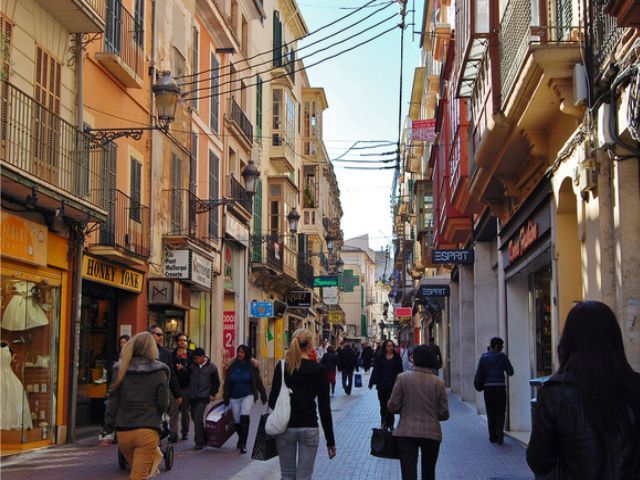
- Care about city texture, like courtyards and hidden residential features, not only big-ticket monuments
- Prefer a guide in German, or want a private option with more language choice
It is also a good match for visitors who enjoy questions. Guides like Maja and Yvonne are described as giving detailed knowledge and helping people feel well taken care of, even when the group dynamic changes.
You might skip or choose differently if you:
- Need wheelchair-accessible routes (this one is not suitable)
- Want a relaxed sit-down pace, because this is still a walking experience
- Plan to bring a large suitcase or bulky daypack, since large bags are not allowed
Should you book this Palma old town guided tour?
Book it if you want your first day in Palma to feel structured and meaningful. This route does a smart job connecting big landmarks like La Seu and La Lonja to the lived-in architecture of the city, including patios and the mix of older streets with modernisme details.
Skip it if you are the type who only wants to pop into interiors on your own schedule, because entrance fees are not included and this tour is focused on guided walking and storytelling. Also skip it if mobility limits make stairs and uneven streets a problem for you.
If you are ready to walk, listen, and leave with a clearer map of Palma’s past, this is one of the better ways to spend roughly two hours in the old town.
Recently reviewed around Mallorca
- Guided Kayak & Hike from Sant Elm to Sa Dragonera★ 5.0 · 28 reviews
- Western Water Park, Entrance tickets★ 4.0 · 30 reviews
- Sailing Flavors, Gastronomy and Relaxation at Sea★ 5.0 · 15 reviews
- 60 minutes Jetski Rental in Alcudia Bay★ 4.5 · 33 reviews
- Yoga and Brunch on the beach★ 5.0 · 9 reviews
- Wine tasting with wines from the smallest wineries in Mallorca★ 5.0 · 10 reviews
- Western Water Park Day Trip from Mallorca★ 3.5 · 6 reviews
- Sa Clasta Wine Tours, Mallorca★ 4.5 · 20 reviews
Palma Old Town Walking Tours, compared.
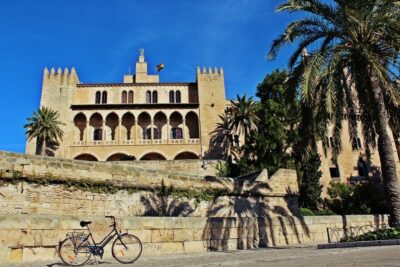
Palma de Mallorca Old Town Guided Bike Tour (Small Groups)
Read our review →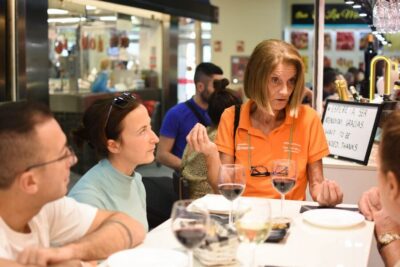
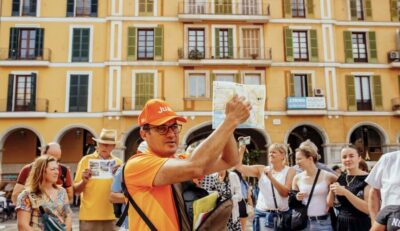
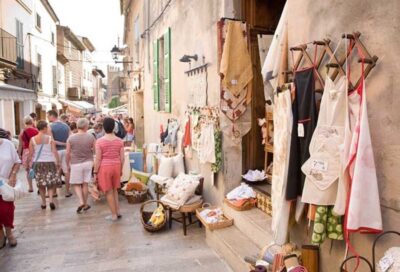
Palma, Cathedral & Valldemossa: Guided walking Tour
Read our review →
Private walking tour in Palma de Mallorca with local guides.
Read our review →Browse the lists this tour appears in