
Reviewed · TAPAS & FOOD TOURS
Palma: 2.5-Hour Chinatown Market Tour
What makes this tour interesting is that Palma’s Chinatown is not a theme park. It is a working neighborhood, where you’ll see everyday trade alongside food you can actually taste, then hear stories from a guide who knows the streets well.
I especially like the market-and-tasting focus, because you get to eat your way through the day, not just look around. I also like how the tour connects the Pere Garau Quarter to practical local crafts, like textile and perfume sellers, so the food feels part of the same real economy.
The one possible drawback: if you expect a “big restaurant meal” or a long food crawl, this is more of a walk with several snack stops. At $100 per person, it can feel pricey for some, especially if you personally prefer fewer shop stops and more sit-down eating.
Key things you’ll notice on this Palma Chinatown walk
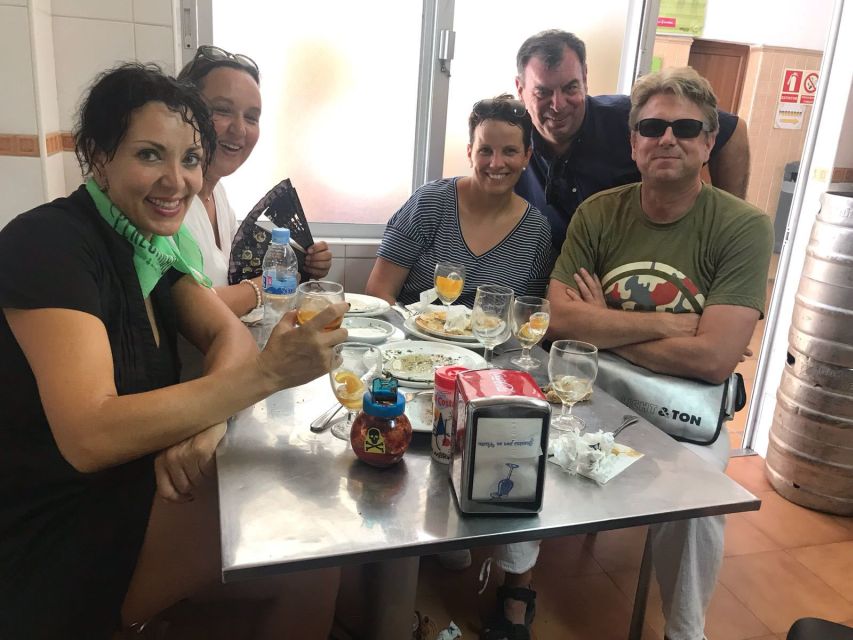
- A small group (up to 8) keeps things personal and lets your guide answer questions as you go.
- Weekly market energy is the backbone, with fresh-product pricing you can compare right away.
- Worldwide snacks in one neighborhood, from classics like couscous and samosas to other international bites.
- Pere Garau Quarter workshops, where crafts and daily work shape what you see and taste.
- Chinese restaurant stop that mixes an international crowd while still feeling calm and focused.
- Some side surprises like a gambling-den-style stop concept, plus time for a stroll toward St. Mary’s Cathedral.
Walking into Palma’s Chinatown, where trade and food share the same streets
Palma’s Chinatown district has a reputation for being different from the postcard center. The value here is how the tour treats the area as daily life, not just an attraction. You’re aiming your senses at sounds, prices, and smells, then letting your guide explain what you’re seeing as you walk.
This is the kind of tour that fits best when you like markets and small street eats. You get a short window of time and a focused route, and the guide keeps the pace tight enough to cover a lot without turning it into a blur.
Because it runs on specific days, plan to match your trip to the schedule. Thursday and Saturday are when the tour takes place, so if you’re in Palma only on a different weekday, you’ll need to adjust.
More tapas and food tours in Mallorca:
- Palma de Mallorca: Foodie Walking Tour of the Old Town
★ 4.6 · 372 reviews - Palma de Mallorca: Gourmet Tapas and Wine Tour
★ 4.5 · 371 reviews - The Award-Winning PRIVATE Food Tour of Mallorca: The 10 Tastings
★ 4.5 · 317 reviews
Meeting near Carrer d’Aragó and getting your bearings fast
You start at Shop Cash Converters on Carrer d’Aragó, 40 (07005 Palma). That matters because Carrer d’Aragó is a good spine for walking, and it makes it easier to feel like you’re joining a local route rather than starting from some remote hotel pickup point.
Comfort is the first practical thing. Wear comfortable shoes, because this tour is a walk through market lanes and neighborhood streets. You should also travel light, since luggage or large bags are not allowed, and there are no pets on the tour.
The group is limited to 8, which usually means you’re not constantly waiting for people to catch up. That makes a big difference in a market setting, where timing and crowd flow can be chaotic if you’re moving with a large group.
The green market: where fresh pricing teaches you how the neighborhood really works
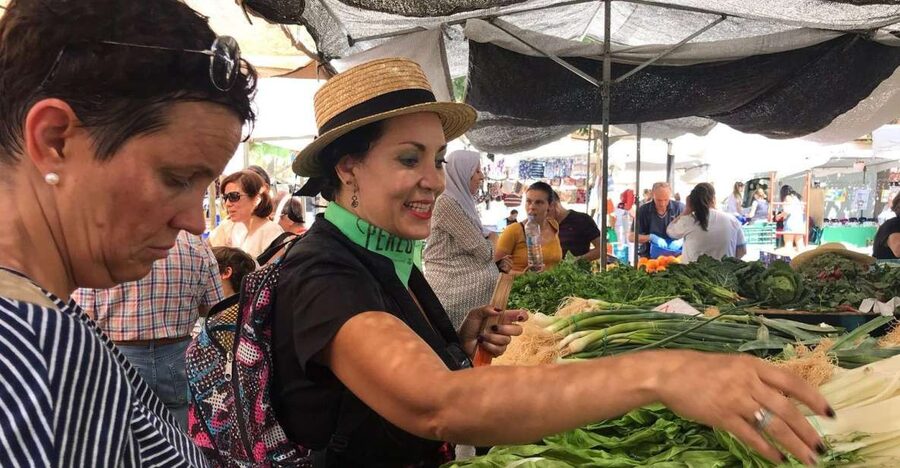
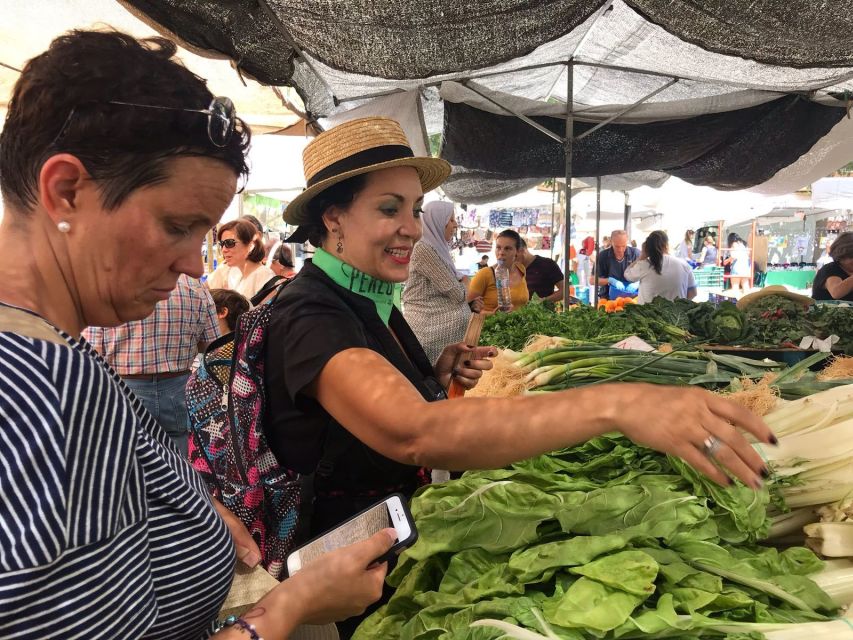
The tour’s core pull is the local green market, and the way it changes the rhythm of the district. Your guide points out where life is strongest every other day, and you’ll see how people come in for produce, conversation, and quick errands.
Here’s why this part is more than scenery: markets are where pricing makes sense in context. If you’ve ever walked through a market and felt like everything was random, a local guide changes that. You learn what to look for, how vendors think, and which stalls tend to offer better value for fresh items.
Expect a lot of “everyday Mallorcan” energy around the market area. The tour also mentions farmers and merchants selling items like textiles and perfume, so the market is part of a broader commercial ecosystem rather than a standalone stop.
Tastings across the world, plus the flavors that connect them to Mallorca
The included tastings are a big part of the tour’s appeal: local and international snacks. You’ll likely find dishes that reflect how Mallorca has welcomed different cultures, including options like couscous, samosas, empanadas, sushi, enchiladas, and tapas.
This is where the tour’s identity really shows. Instead of treating “Chinatown” as one uniform cuisine, the stop list reflects the reality of the island: a mix of nationalities and cooking styles sharing the same streets.
A practical tip: pace yourself with your first bites. With multiple snack stops, you don’t want to front-load everything and then feel stuffed before the best part of the route. If you’re the type who always wants one more taste, you’ll still have time, just keep an eye on how the group schedule flows.
Also, note what’s not included. Meals and additional snacks are not part of the package. So treat the tastings as sampling, not a full meal replacement, and plan accordingly if you’re traveling with a tight dinner schedule.
More market visits in Mallorca:
- Cap de Formentor: Market, Beach, and Alcudia Tour
★ 4.3 · 620 reviews - Mallorca: Alcudia Old Town, Market, and Formentor Beach
★ 4.2 · 231 reviews - Formentor with boat trip + local market
★ 4.0 · 73 reviews - 4-Hour Market Visit and Traditional Cooking Workshop in Palma
★ 5.0 · 38 reviews
Pere Garau Quarter: crafts, workshops, and the kind of knowledge you only get on foot
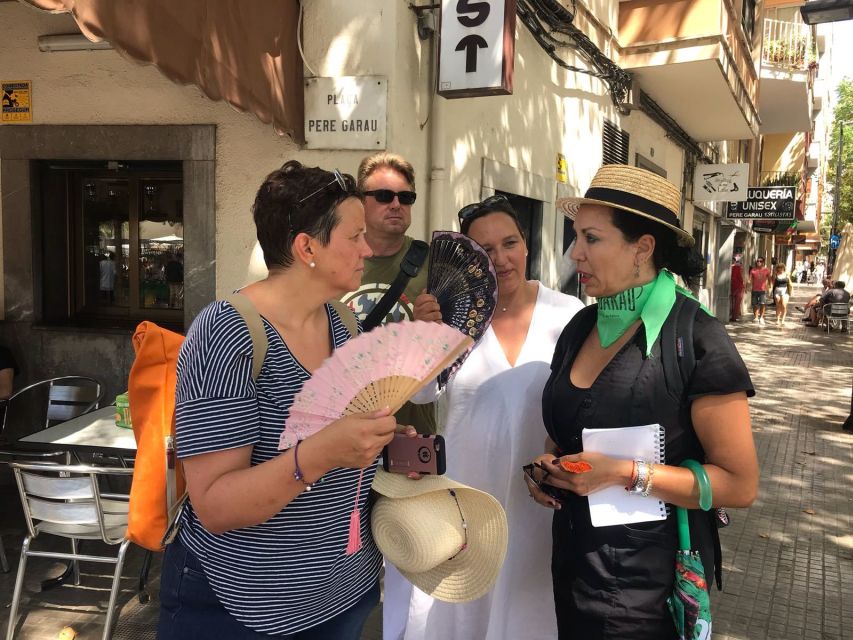
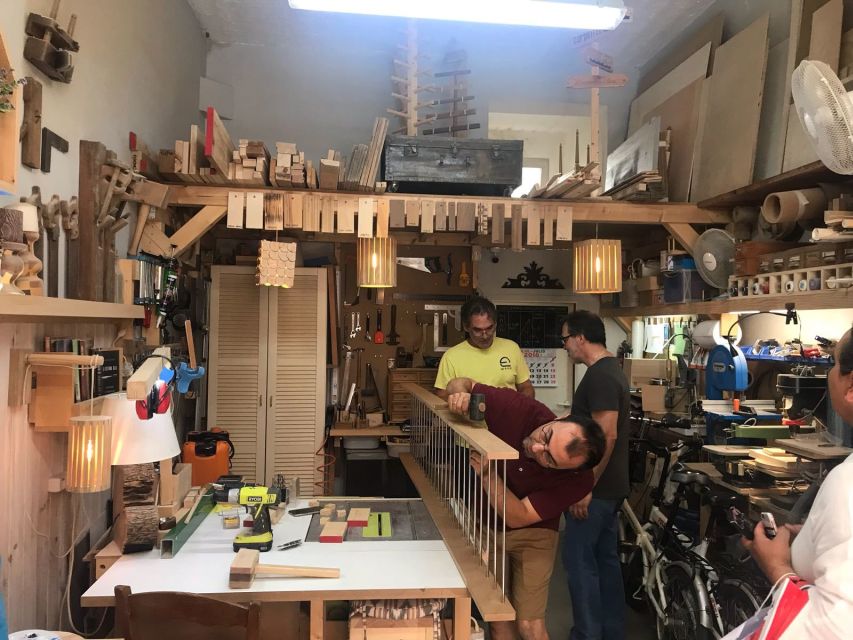
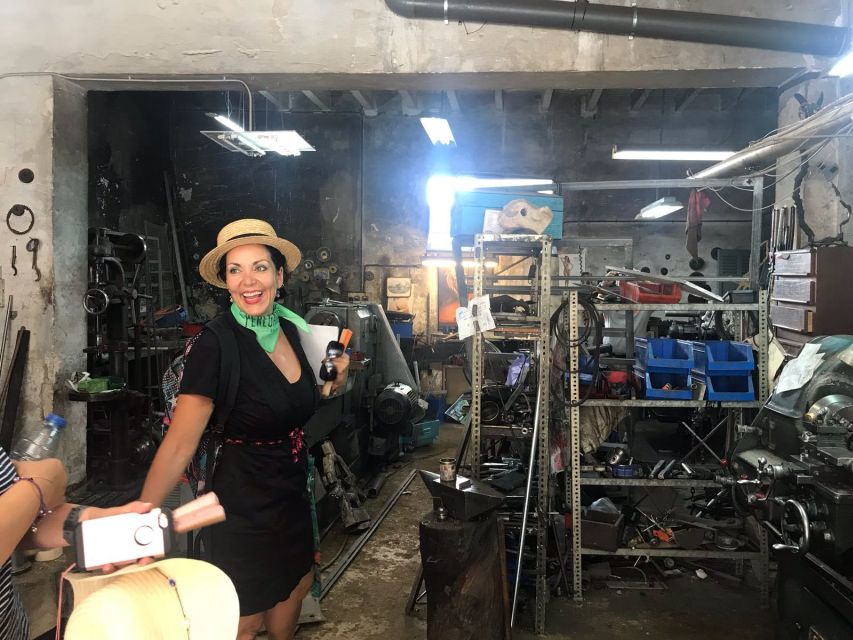
After the market, the tour shifts into the Pere Garau Quarter, where many craftsmen keep workshops. This is an underrated part of why the experience works. You’re seeing how people make and sell things nearby, not just where they eat.
The tour specifically highlights textile and perfume sellers, and that detail is useful because it tells you the guide isn’t only pointing you toward food. The area’s crafts help explain what you’re seeing, from how goods are displayed to why certain merchants cluster in this part of town.
If you like shopping but hate the generic “tourist souvenir trap,” this angle can be a pleasant change. You’ll have more context for what you’re looking at, and you can ask questions in a way that makes you feel like you’re learning, not browsing.
Language can also shape your experience here. The guide speaks German, Spanish, English, and Italian, and the tour itself is offered in English. If you’re comfortable with those basics, you’ll probably get more out of the crafts and stories because you can follow along easily.
A Chinese restaurant stop that feels local, not staged
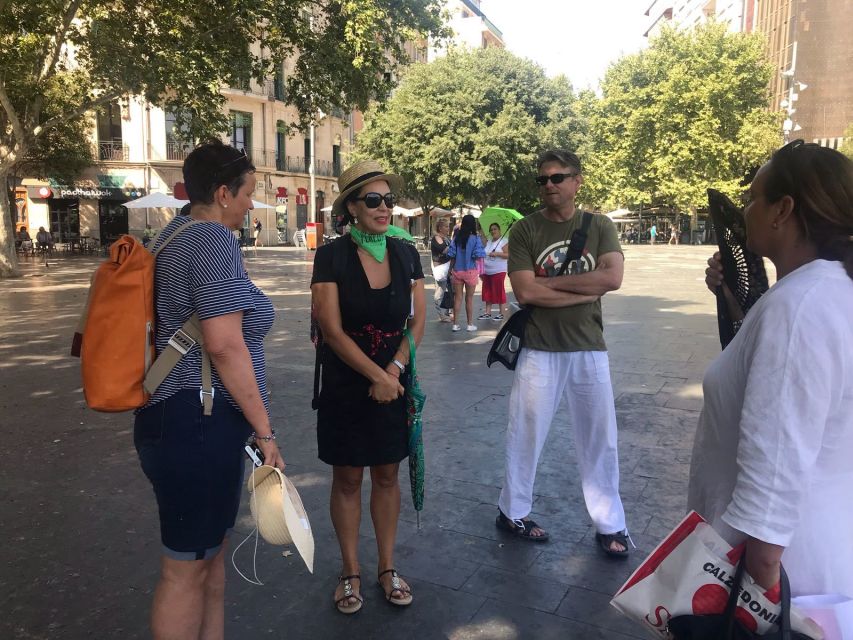
The tour also includes a stop for one of the better Chinese restaurants in the area, described as having authentic cuisine. The key vibe point here is the audience: an internationally mixed crowd, eating in a peaceful, normal way.
That’s a smart contrast to the market chaos. You get a quieter moment that lets the flavors land and gives you time to ask questions without shouting over vendors. If you’re someone who enjoys food but prefers it in a more relaxed setting, this restaurant stop is often where the tour’s value feels most solid.
I like tours that end up teaching you something small but real about how communities mix. In this case, it’s not just “Chinese food exists in Palma.” It’s that the neighborhood’s daily flow supports multiple cuisines and a shared dining culture.
Side stops and local surprises, from a gambling den concept to the sea and St. Mary’s Cathedral
The experience isn’t only markets and restaurants. It mentions a fascinating mix of places and ideas, including exploring a bingo game or a roulette-style gambling den concept. Whether that exact stop feels lighthearted or intense will depend on what you’re comfortable with, so treat it as a possible twist in the route, not a guaranteed “show.”
It also mentions a refreshing swim in the sea or, if you’re not in swim mode, a stroll toward the Cathedral of St. Mary. The cathedral is described as about 15 minutes on foot from the area you cover, which is a practical perk. You can pair this tour with a later walk to the sights without feeling like you’re starting from scratch.
If your travel style is calmer, focus on the food stops and the neighborhood walking segments, then decide in the moment whether you want to add the sea plan or not.
Price and logistics: when $100 feels fair, and when it might not
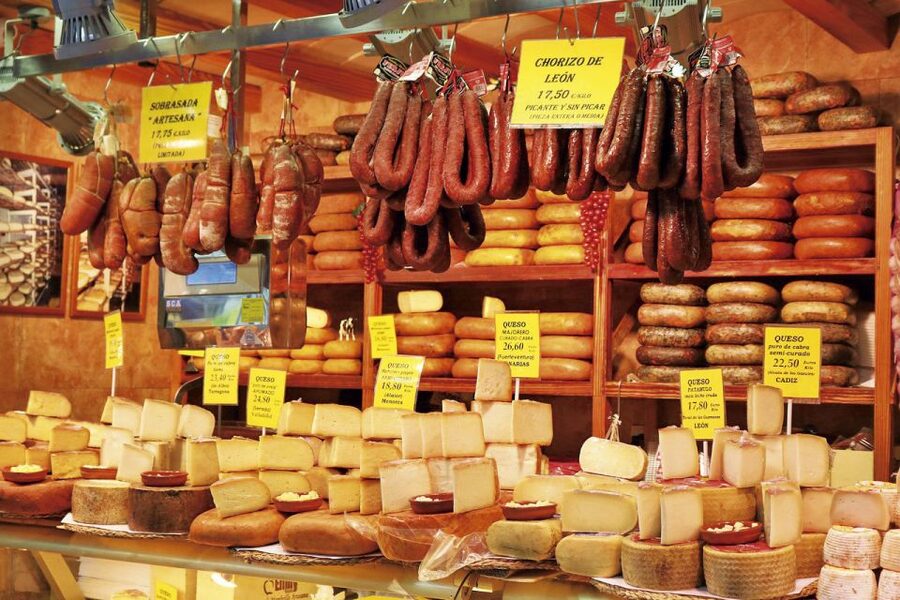
The price is listed at $100 per person. For that money, you get a live guide and tastings of local and international snacks, plus a small-group walking format.
So what makes it good value? First, the group limit to 8. Second, the guide lives in the neighborhood and is very familiar with the area, which usually means better context and fewer “dead ends.” Third, the tastings are built into the route, so your time is structured around eating and learning.
Where some people may feel it misses: if you go in expecting a long, meal-heavy food tour. There is at least one complaint that the route can feel like shopping through stores and a market, with less food than expected. Another note said the price for two people felt high for the value.
My practical take: go in with snack expectations, not full-meal expectations. If you like markets, crafts, and eating small bites in different settings, $100 is easier to justify. If you mostly want seated food and minimal walking through shops, you might feel the cost is steep.
The guide factor: why friendly, local storytelling makes or breaks the tour
This tour lives or dies by the guide’s delivery. In the positive feedback, guides like Eri, Ery, and Michael are mentioned as warm, punctual, and able to show Palma from a less touristy angle.
That matters because the best parts of this tour are interpretive. You’re seeing things quickly, so you need a guide who can make sense of what you’re looking at. If the guide is strong, the market becomes more than produce, the crafts become more than products, and the restaurant stop becomes more than another meal.
If you’re the type who asks questions as you walk, you’ll likely have a good time with this format. The small group size makes it easier to get real answers.
Who should book this Palma Chinatown tour
You’ll probably be happy with this experience if you:
- Love markets and want fresh-product context, not just photos.
- Enjoy a food-and-neighborhood style tour where tastings are part of the learning.
- Want to see the Pere Garau Quarter and understand local crafts, textiles, and perfume shops.
- Prefer a small group over the chaos of larger city tours.
It may not be your best fit if you:
- Need a wheelchair-accessible route, since it is not suitable for wheelchair users.
- Want a full meal program. Tastings are included, but meals are not.
- Are traveling with pets or large luggage, since those are not allowed.
Should you book Palma’s 2.5-hour Chinatown market tour?
If your idea of a great Palma day is walking local streets, tasting a few standout bites, and learning why this neighborhood looks and tastes the way it does, I think this is a good bet. The small group size, the market focus, and the craft-and-food pairing create a satisfying mix.
Book it if you can match the Thursday or Saturday timing and you’re comfortable with snack-size eating. Skip it if you want a long, sit-down, heavily food-centric itinerary, or if the idea of navigating shops and market lanes is less your style.
If you do book, come hungry enough for several tastings, wear comfortable shoes, and bring the mindset of a neighborhood visitor, not a checklist tourist.
FAQ
How long is the Palma Chinatown market tour?
It is listed as 2 hours for the duration, and the experience overview describes it as a 2.5-hour Chinatown Market Tour.
What does the tour cost?
The price is $100 per person.
What is included in the price?
The tour includes a guided tour and tasting of local and international snacks.
Is the tour offered in English?
Yes. The live tour guide speaks English, and the guide also speaks German, Spanish, English, and Italian.
When does the tour run?
The tour takes place on Thursday and Saturday.
What is the maximum group size?
The group is limited to 8 participants.
Where do I meet the guide?
You meet at Shop Cash Converters – Carrer d’Aragó, 40, 07005 Palma, Illes Balears.
Is it wheelchair accessible?
No. It is not suitable for wheelchair users.
Are pets and luggage allowed?
No. Pets are not allowed, and luggage or large bags are not allowed.
More Shopping Trips in Mallorca
- Mallorca: Market Visit and Traditional Cooking Workshop
★ 4.9 · 29 reviews - Mallorca: Fashion Outlet Shopping Excursion by Bus
★ 4.6 · 5 reviews
Recently reviewed around Mallorca
- Guided Kayak & Hike from Sant Elm to Sa Dragonera★ 5.0 · 28 reviews
- Western Water Park, Entrance tickets★ 4.0 · 30 reviews
- Sailing Flavors, Gastronomy and Relaxation at Sea★ 5.0 · 15 reviews
- 60 minutes Jetski Rental in Alcudia Bay★ 4.5 · 33 reviews
- Yoga and Brunch on the beach★ 5.0 · 9 reviews
- Wine tasting with wines from the smallest wineries in Mallorca★ 5.0 · 10 reviews
- Western Water Park Day Trip from Mallorca★ 3.5 · 6 reviews
- Sa Clasta Wine Tours, Mallorca★ 4.5 · 20 reviews
Tapas & Food Tours, compared.
The Award-Winning PRIVATE Food Tour of Mallorca: The 10 Tastings
Read our review →
Food Tasting Walking Tour in Palma with a Local
Read our review →
Gourmet Tapas and Wine Tour in Palma de Mallorca
Read our review →
Browse the lists this tour appears in