
Reviewed · MUSEUMS
MUCBO | Jardí Botànic de Sóller – Balearic Museum of Natural Sciences
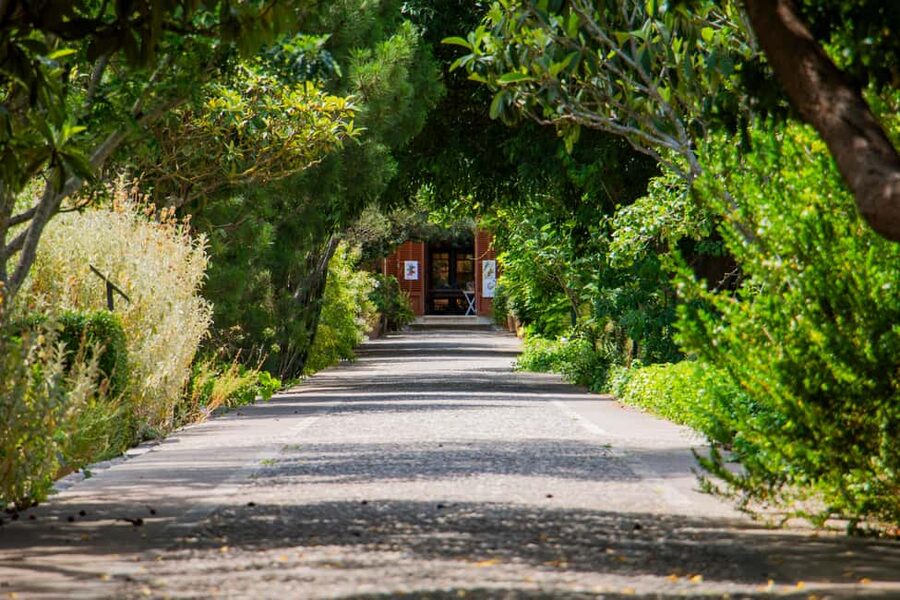
If you like nature that you can actually see and read about, MUCBO in Sóller is a smart stop. It combines the island’s Jardí Botànic de Sóller with the Balearic Museum of Natural Sciences in one place, so you can move from science facts to live plants without leaving the grounds.
What I like most is the way it connects Balearic geology and paleontology with living ecosystems, not just one or the other. I also love the hands-on feel of the garden materials, especially the herbarium and the way the exhibits focus on Balearic biodiversity. It’s a place that treats local nature as the main story, which makes the visit feel more grounded than a typical garden stroll.
One possible drawback to plan for is practical and seasonal. Parking can get tight and cars can clog the area, especially around the busiest hours, and some visitors have noticed that plant conditions can look stressed in warmer months, like dry-looking plantings and messy paths.
Key things that make MUCBO worth a visit
- One ticket, two sections: the science museum plus the botanical garden, both included
- Built around Balearic nature: geology, paleontology, and current biodiversity tied to where you are
- Living collections plus science tools: herbarium and a germplasm bank concept (seed and plant material for conservation)
- Unique on Mallorca: only botanical garden on the island in this format, and only natural sciences museum focused on the island
- Family-friendly pacing: easy to do at your own speed in a single day
MUCBO in Sóller, where botany and natural history share the same grounds
MUCBO, the MUCBO | Jardí Botànic de Sóller – Museu Balear de Ciències Naturals, is set up as a local science and conservation hub for Mallorca. The big idea is simple: you learn about the Balearic Islands’ natural world, then you see it living right around you.
This is not just a pretty garden stop. The institution has been working for more than 30 years on research, conservation, education, and public outreach. You’ll feel that mission as soon as you shift from museum rooms into garden paths, because the museum content is about the island’s natural past and present, while the garden is about keeping local plant life alive and documented.
If you’re staying in or near Sóller, this is one of those “save time” attractions because you’re not juggling multiple bus rides to get both nature and science. It’s also a good choice when the weather is bright, because outdoor plant sections make the day feel more active, not just indoor and quiet.
More museums and galleries in Mallorca:
- Manacor: Rafa Nadal Exhibition Entry Ticket
★ 4.6 · 836 reviews - Skip the Line: Rafa Nadal Museum Xperience
★ 4.0 · 196 reviews - Alcudia: Museum Sa Bassa Blanca Entry Ticket
★ 4.5 · 30 reviews
Museum time: geology, paleontology, and today’s biodiversity
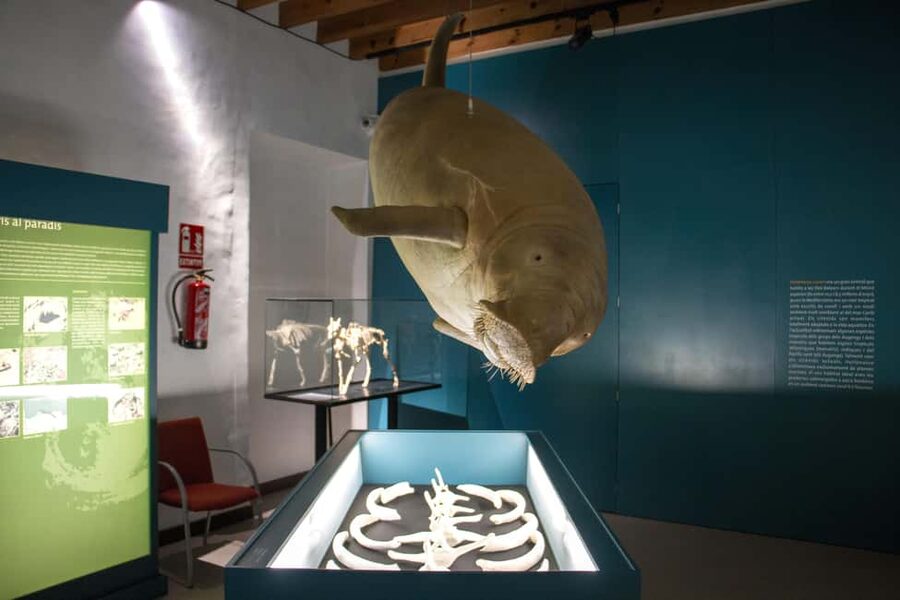
The Balearic Museum of Natural Sciences is one main section of MUCBO, and it’s built around permanent exhibitions. You can expect three big themes:
- Geology
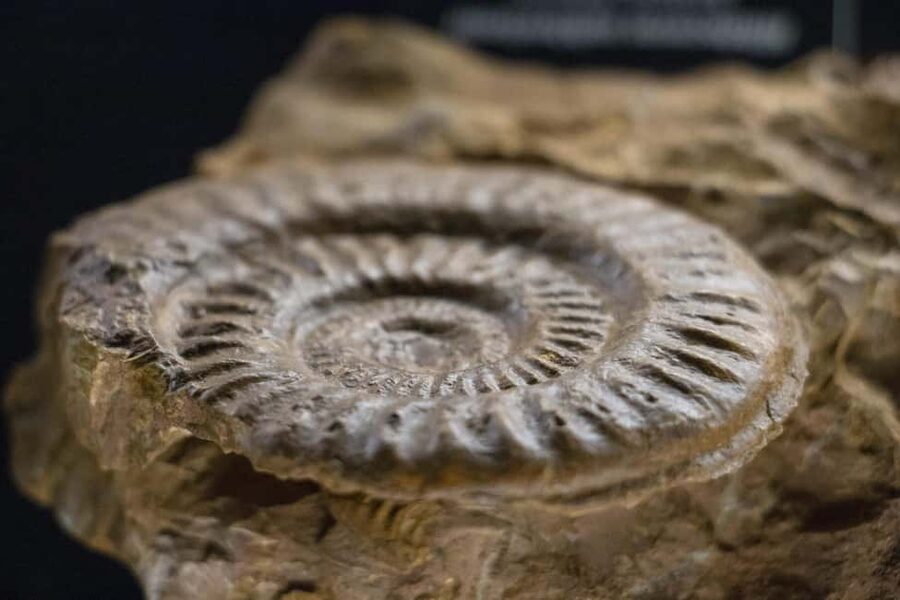
- Paleontology
- Current biodiversity
That mix matters because it gives you a time sequence. You start with the island’s physical foundation, then move into fossils and the long story of life, and finally land on what’s here now. When you connect those dots, the garden later feels less random. The plants stop being just “pretty locals” and start looking like part of a bigger system shaped by the land itself.
How to get the most out of the museum portion is to take it in chunks. Spend enough time to understand the overall storyline, then don’t worry about reading every panel word-for-word. Some content may be in the original language, so you might do better focusing on diagrams, exhibit titles, and the way the sections link geology and biodiversity.
Also, this museum layout is ideal if you have mixed interests in your group. One person can lean into natural history facts, while another person can use the museum as a primer before heading to the living collections.
Garden walk: living plants, herbarium, and the germplasm bank concept
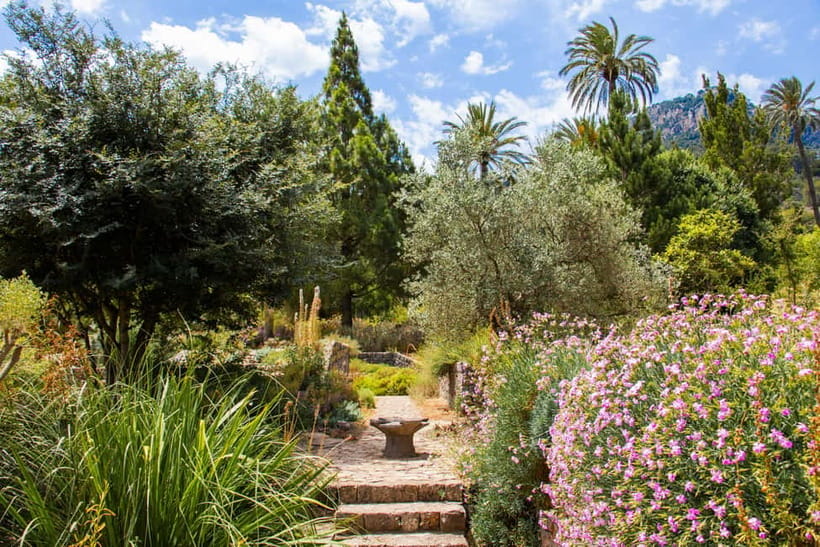
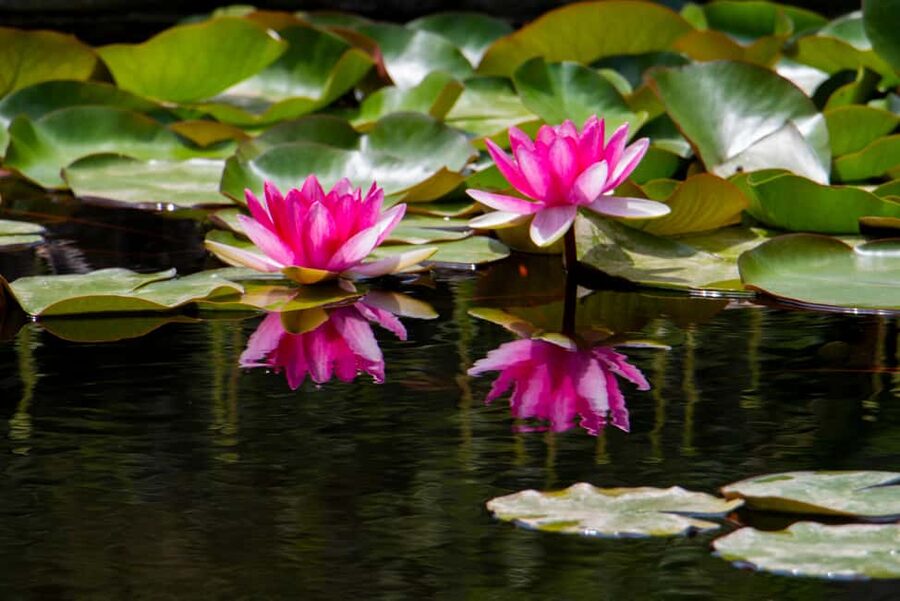
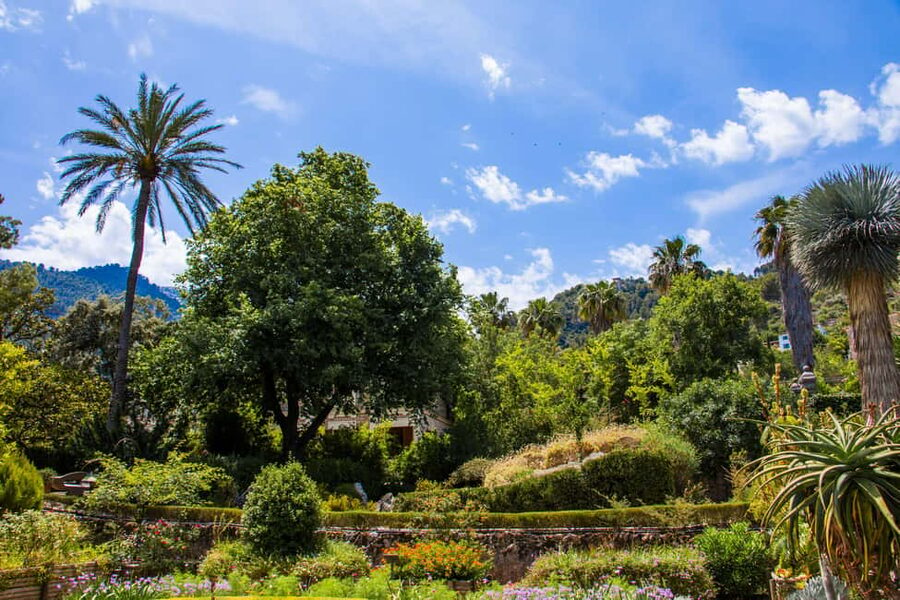
The other main section is the Botanical Garden of Sóller. This is where the visit becomes tactile. Instead of just learning about Balearic plants, you’re surrounded by living plants, plus garden-based collections used for documentation and conservation.
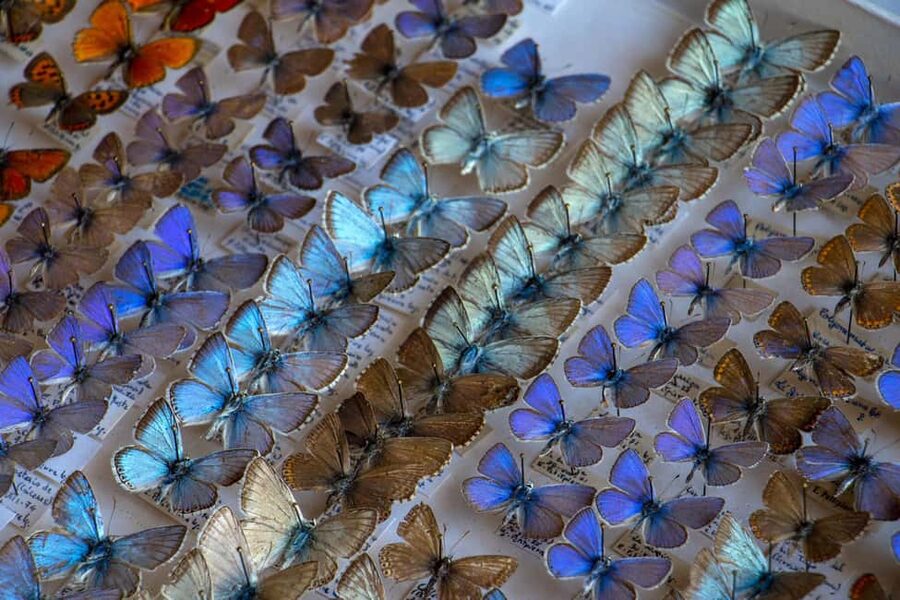
Two of the most meaningful parts here are the herbarium and the germplasm bank concept. A herbarium is essentially a curated archive of plant specimens, which helps scientists study plant identity and changes over time. A germplasm bank, in plain terms, is about preserving plant genetic material for future conservation and research.
Even if you’re not a science person, this is the kind of detail that changes how you walk the paths. You’re not only looking at what’s blooming or growing today. You’re seeing a system built to protect local species, especially on islands where ecosystems can be fragile and unique.
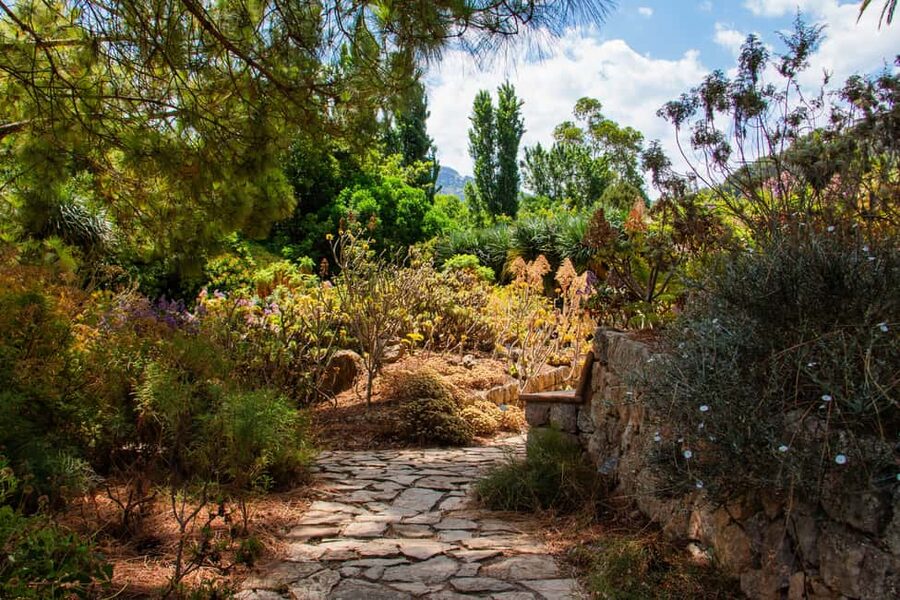
That said, manage expectations about what “garden” means. Based on real on-site observations people have shared, plant appearance can vary by season. In warmer months, you might see stressed-looking plantings or lots of dead leaves on paths. If the garden is the main reason you came, you’ll enjoy it most when you’re flexible and you treat it as a living, working conservation space, not a manicured resort garden.
How long to plan for your MUCBO day in Sóller
MUCBO is designed to fit into a 1 day outing. You can do it at a calm pace without feeling rushed, but you’ll want to set your expectations.
Here’s a practical pacing idea:
- Start with the museum to get the island’s natural history storyline in your head.
- Then switch to the garden so what you learned becomes visible.
If you go in straight after opening or with daylight on your side, the outdoor sections feel easier to enjoy. If you show up late and the sun is strong, the garden can feel more exhausting. Also, some sections are more indoor than others, so you may want a small break plan if you get warm.
If you’re the type who likes to read everything, add time for that. If you skim, you can still get a lot out of the permanent exhibitions and the key garden collections. Either way, the value is in connecting the museum themes to the local plants around you.
Same island, a completely different kind of day:
- Palma: Cathedral of Mallorca Skip-the-Line Entry Ticket
★ 4.6 · 14,386 reviews - Palma de Mallorca: 5-Hour Catamaran Cruise with Lunch & Swim
★ 4.5 · 9,957 reviews - Porto Cristo: Caves of Hams Entry Ticket
★ 4.2 · 6,548 reviews - Palma de Mallorca: City Sightseeing Hop-On Hop-Off Bus Tour
★ 4.1 · 4,450 reviews
Price and value: what $11 gets you, and why it can be worth it
The price is around $11 per person, and the ticket covers general admission to both the Botanical Garden and the Science Museum. For that price, the key value is that you’re paying for a full natural history experience, not just one type of attraction.
A typical tradeoff with museums is that you get information but limited movement. Here you get movement after the facts, plus a conservation angle that you rarely see bundled into standard garden admission. That makes it a strong option when you want something more meaningful than a quick photo stop.
Is it perfect value every day? Not always. Plant condition, path cleanliness, and seasonal stress can affect the feeling of the visit. When the garden looks healthy, it can feel like a thoughtfully protected living collection. When it looks stressed, it can still be educational, but it may feel less polished.
So I’d judge value by your goal. If your goal is conservation and natural science context tied to local species, the cost makes sense. If your goal is a pristine, fully manicured garden walk, you might be happier picking a different garden.
Getting there the tricky part, parking and when to arrive
This is one of the places where logistics can shape the whole day. Parking can be difficult. One person described spending 45 minutes circling when cars kept arriving in a steady stream, then giving up and deciding to go at a different time.
My practical advice is to treat parking as the main risk factor. If you can, use public transport, or plan to arrive at opening time so you’re not walking into the thickest traffic window. If you do go later, keep the schedule loose and expect the approach to feel chaotic.
Also, remember you’re in Sóller, and this is an island setting where demand can spike. The garden and museum are the draw, so cars pile in when people want a break at the same time.
If you’re planning a tight day with multiple stops in Mallorca, MUCBO still works, but don’t build your schedule so tightly that a parking delay would wreck your whole plan.
Plant condition in summer: what to expect and how to handle it
A garden is always at the mercy of weather, watering schedules, and maintenance priorities. In June, some people observed signs of stress, including plants that appeared to be suffering from lack of water, lots of dead leaves on paths, and dead plant parts that were not cut back. They also noted weeds in some areas.
I’m not telling you to expect chaos. I’m telling you to expect variation, because this place is a living system. If you’re visiting in a hotter season, go in ready for the garden to look more like a working conservation site than a perfectly groomed attraction.
How to keep the visit enjoyable anyway:
- Focus on plant variety and the bigger collection themes, not just individual plant appearances.
- Spend extra time on the museum exhibits first, since indoor content usually remains consistent.
- Give yourself time to walk slowly, because even when parts look rough, there can still be interesting details in how local species survive.
Who should book MUCBO, and who might skip it
You should book MUCBO if you want a natural history experience that feels tied to Mallorca, not just generic botany. It’s especially good for people who like science content, conservation themes, and a visit that mixes indoor learning with outdoor discovery.
It’s also a nice choice for anyone doing a Sóller day who wants something calmer and more educational than shopping and sightseeing loops. Because it’s wheelchair accessible, it can work for many visitors who need step-free access.
You might skip it if you mainly want a picture-perfect, highly manicured garden. You might also reconsider if your plan revolves around midday timing and you really rely on parking. In that scenario, the logistics and seasonal plant appearance can be enough to spoil the day.
Should you book MUCBO in Sóller?
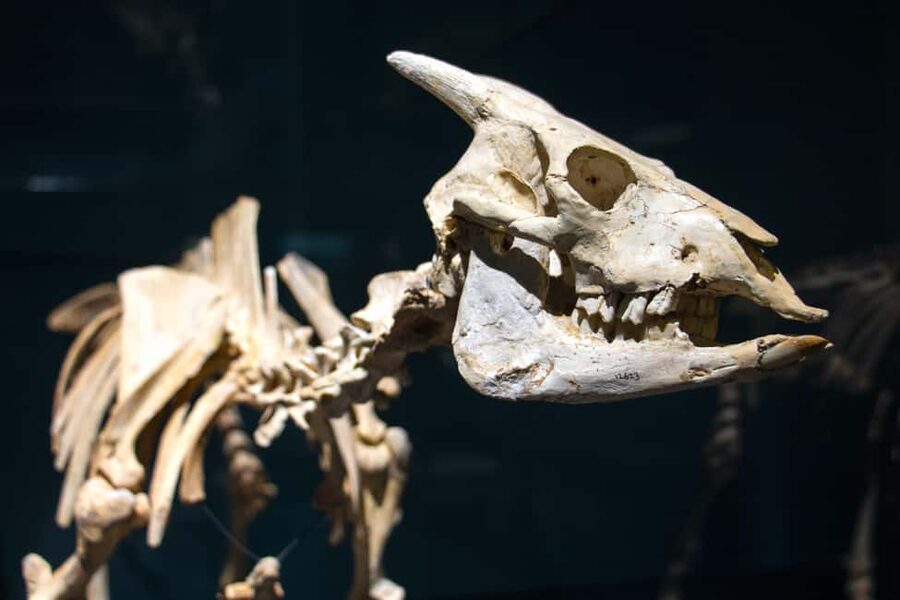
If you want the island’s only botanical garden plus the only natural sciences museum of this type in one ticket, it’s a solid booking. The price makes sense, because you get both the permanent museum exhibits (geology, paleontology, current biodiversity) and the living collections (including herbarium and germplasm bank related conservation work).
Just go smart on timing. Aim to arrive early, or plan transport without assuming parking will be easy. If you do that, you’ll likely come away with a meaningful connection between Balearic nature and the plants you see on the ground.
FAQ
What is MUCBO | Jardí Botànic de Sóller – Balearic Museum of Natural Sciences?
It is an institution in Sóller, Mallorca, focused on natural science education, conservation, and research. It has two main parts, the Balearic Museum of Natural Sciences and the Botanical Garden of Sóller.
Where is it located?
It’s located on the Balearic Islands in Spain, in Sóller.
How much does it cost?
The price is about $11 per person.
How long is the visit?
It’s listed as a 1 day experience.
What is included in the ticket price?
Your admission includes entry to both the Botanical Garden and the Science Museum.
Are there starting times?
Yes. The experience is valid for 1 day, and you should check availability to see starting times.
Can I cancel for a refund?
Yes, free cancellation is available up to 24 hours in advance for a full refund.
Is it wheelchair accessible?
Yes, the experience is wheelchair accessible.
Are all contents in English?
Not necessarily. Some content is shown in its original language.
Does MUCBO offer anything beyond admission?
The institution also organizes workshops, conferences, and school visits on topics related to natural sciences in the Balearic Islands.
Recently reviewed around Mallorca
- Guided Kayak & Hike from Sant Elm to Sa Dragonera★ 5.0 · 28 reviews
- Western Water Park, Entrance tickets★ 4.0 · 30 reviews
- Sailing Flavors, Gastronomy and Relaxation at Sea★ 5.0 · 15 reviews
- 60 minutes Jetski Rental in Alcudia Bay★ 4.5 · 33 reviews
- Yoga and Brunch on the beach★ 5.0 · 9 reviews
- Wine tasting with wines from the smallest wineries in Mallorca★ 5.0 · 10 reviews
- Western Water Park Day Trip from Mallorca★ 3.5 · 6 reviews
- Sa Clasta Wine Tours, Mallorca★ 4.5 · 20 reviews
Museums, compared.




Rafa Nadal Xperience Museum with Private Transport from Mallorca
Read our review →Browse the lists this tour appears in