
Reviewed · OLIVE OIL TASTINGS
Guided Tasting Tour in 16th century House and Olive Oil Factory
A 16th-century house that still runs an olive oil mill in Sóller is a rare mix of old Mallorca and real food. I love the fact that the visit is built around the traditional oil production system, not just a quick tasting, so you get context as you eat.
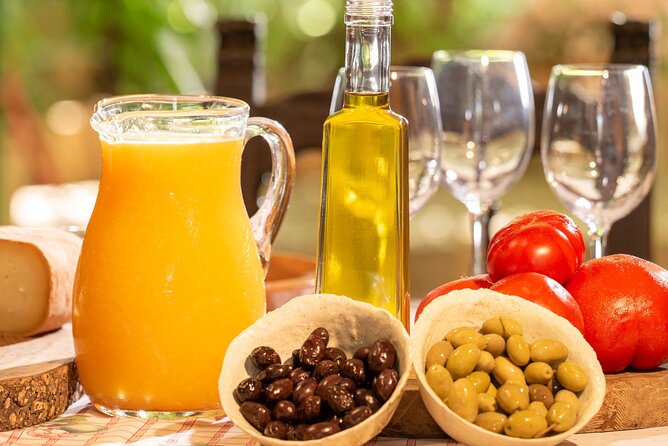
What also makes this work is the sit-down brunch-style tasting in the family dining room, with plenty of local staples like Mallorcan bread, ramallet tomatoes, olives, toasted almonds, cheese, and orange products. The one thing to think about is seasonal timing, because live pressing is not guaranteed, and the tour does not include guided walks through the orange or olive tree plantations unless you arrange extras in advance.
Key highlights to know before you go
- Can Det historic house and oil mill with a traditional system that’s been preserved
- Guided explanation plus an audiovisual presentation so you understand each step
- Brunch-style tasting with olive oil, olives, Mallorcan bread, tomatoes, cheese, almonds, marmalade
- Orange juice and orange jam made from the family’s citrus
- Sóller valley views from the setting around the property
- Seasonal chance for live production between October and January, depending on olive availability
Can Det in Sóller: A 16th-Century House Where Oil Still Gets Made
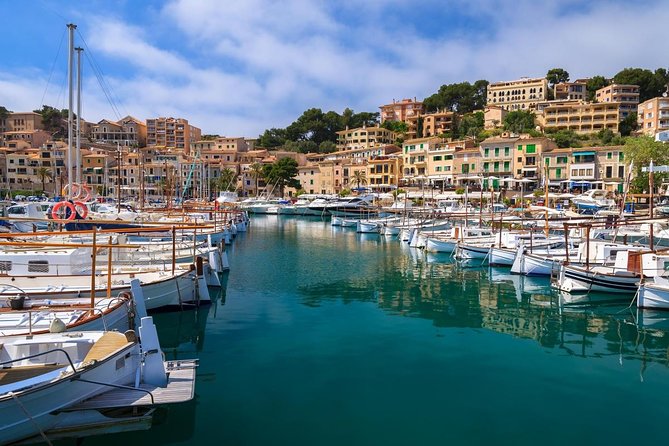
This is the kind of tour I recommend when you want Mallorca that feels lived-in, not staged. The experience centers on Can Det, a historic home dating back to the 16th century, where the family’s olive oil activity continues using a traditional approach. You’re not just stopping by for samples. You’re stepping into the story of how the region has produced oil for generations.
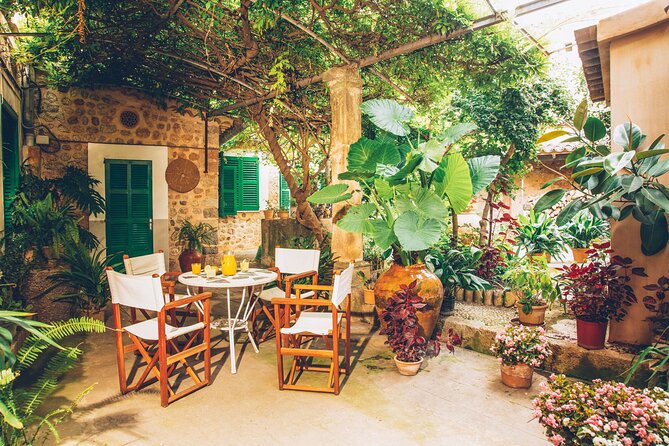
Before you ever taste, you get the setting. The property includes an imposing garden and the working oil mill area that preserves the traditional production system. That matters because olive oil can be a vague idea until you see what the process looks like in practice. Here, the guide walks you through what the family does and why the method has been kept.
In the pacing, I also like that the tour doesn’t try to turn into a lecture. You move through the house and mill area, then you shift into explanation and presentation. Even if your Spanish is basic, the flow stays easy, because the tour is offered in English and organized around visual steps.
More olive oil tastings in Mallorca:
- Visit of the olive grove, olive oil tasting and snack
★ 4.9 · 111 reviews - Palma: Orange Farm, Olive Mill, & Winery Tour with Tastings
★ 4.9 · 44 reviews - Tour to olive grove and olive mill, oil tasting and snack
★ 5.0 · 25 reviews
Your $31.46 Ticket Gets More Than a Sip of Olive Oil
At around $31.46 per person for about one hour, this is good value if what you want is both learning and eating. Many olive oil experiences lean heavily toward tasting. This one does the opposite too. You get a guided look at the traditional setup, then you sit down for a meal-like tasting.
The timing is also practical. A 1-hour visit at 12:00 pm is a smart way to fill midday when you’re already planning lunch. It also helps if you are doing other things in Sóller that day and don’t want a long, complicated schedule.
A small detail that I appreciate for planning: it uses a mobile ticket, and you receive confirmation at booking time. That’s simple and low stress.
One note on group format: the experience is described as private, meant for your group only. Still, I’d advise you to have a flexible mindset when it comes to group flow on busy days, because real-world scheduling can vary. The core experience remains the house, the mill, and the tasting.
Step-by-Step: How the 12:00 Guided Tasting Flows in the Can Det House
The tour starts in Sóller at Carrer d’Ozones, 8, with tours scheduled for 12:00 pm and returning to the same meeting point. That round-trip simplicity makes it easy to plug into your day.
From there, the experience is basically three parts.
1) The historic house and mill area
You begin with the Can Det property itself, including the 16th-century house and the mill setup. This is where you see how the oil production system is preserved and still connected to family work. If you care about design and atmosphere, the garden setting and the age of the home create a strong sense of place right away.
More tapas and food tours in Mallorca:
- Mallorca: Horseback Riding Experience with Food Options
★ 4.6 · 1,424 reviews - Mallorca: Horseback Riding Excursion and Wine Tasting
★ 4.8 · 383 reviews - The Award-Winning PRIVATE Food Tour of Mallorca: The 10 Tastings
★ 4.5 · 317 reviews - Mallorca: Bodega Butxet Vineyards & Winery Tour with Tasting
★ 4.8 · 178 reviews
2) The guide’s explanation and visual support
After walking through the key areas, the guide explains the activity tied to traditional cultivation of ancient olive trees and citrus plus oil production. You also get an audiovisual presentation of the oil production process. That presentation is a helpful bridge between what you physically see and what you might not notice on your first pass.
In the reviews, names like Ann and Tomeo come up as hosts involved in the experience. Regardless of who is guiding your group, the aim stays the same: make olive oil production understandable, not mysterious.
3) The tasting and sit-down products
At the end, you move into the dining room for the tasting and the brunch-style meal. This is where your understanding pays off, because you taste the products right after learning about how they fit into the local system.
Brunch-Style Tasting: Ramallet Tomatoes, Bread, Cheese, Almonds, and Orange Products
Let’s talk food, because this is a big reason the tour gets recommended so often.
The tasting centers on typical products of Mallorca. You’ll sample items that pair naturally with olive oil, so you taste the oil in context rather than as a random shot. Expect staples like:
- Olive oil and olives
- Mallorcan bread
- Ramallet tomatoes
- Cheese
- Toasted almonds
- Marmalade, plus orange jam
- Drinks such as orange juice, water, and local wine
What I like here is the mix. You get salty and savory flavors from olives, cheese, tomatoes, and bread. Then you get sweetness from orange products and marmalade. That balance helps you notice differences in the olive oil and how it works with local ingredients.
You also learn how locals traditionally enjoy their olive oil. That part is useful, because it turns the tasting into a takeaway for how you might actually use olive oil later, at home, beyond buying a bottle and letting it sit in a cupboard.
If you have ever felt olive oil tastings were too formal or too small, this will feel more like a real midday stop. One review even describes the tasting as meal-sized, and that matches the overall structure: it’s not just a few bites.
Can You See Oil Pressing Live? Seasonal Chances and What Happens Off-Season
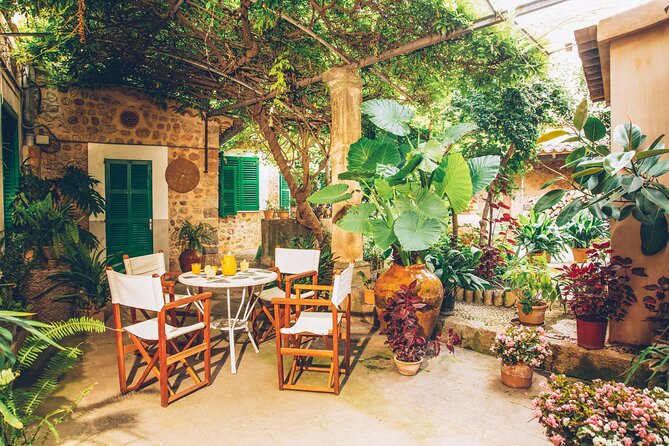
The best time for a food-and-production combo is during times when olives are available. Between October and January, you might be able to see the production of the oil live, depending on availability. That’s the only window mentioned for live production viewing.
Outside those months, you should still expect a strong experience. The tour focuses on the preserved mill system and the process explanation. In reviews, people mention that even when it was not processing season, the guide shared traditional harvesting information and showed how the system works using what’s available, plus the audiovisual presentation.
So, if your main dream is seeing live pressing, plan for October to January and keep your flexibility. If you go in the off-season, you’re still getting the heart of Can Det, which is the house, the mill, the tradition, and the tasting.
Sóller Valley Views and Practical Stuff That Can Make or Break the Day
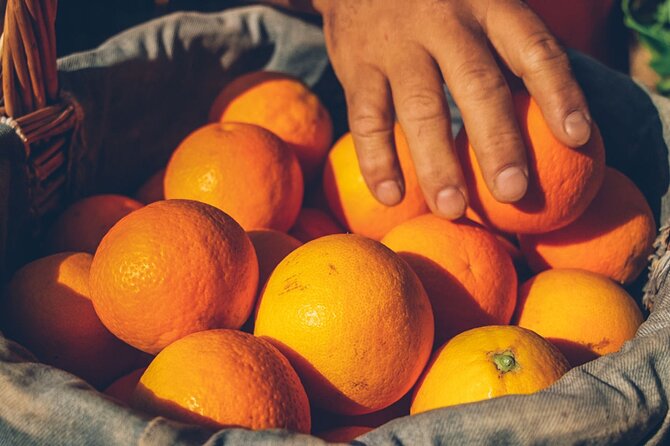
There’s one more reason to enjoy this tour even if you’re not a die-hard food person: the setting around Can Det gives you nice views over the Sóller valley.
Now the practical side. The meeting point is in Sóller, and the location is in a part of town that can be tricky for parking. Several reviews call this out directly. If you’re driving, give yourself extra time to find a spot, because arriving late can compress the time you have for the full experience.
Good news: the tour is near public transportation, and service animals are allowed. The experience also says most travelers can participate, which is helpful if you are planning around a mixed group.
What to wear: comfortable shoes help, because historic homes and mill areas can mean uneven surfaces or steps. Keep your day simple. You’re going to eat and drink, so you want to feel good afterward, not rushed.
What You Learn Here That You Will Actually Use
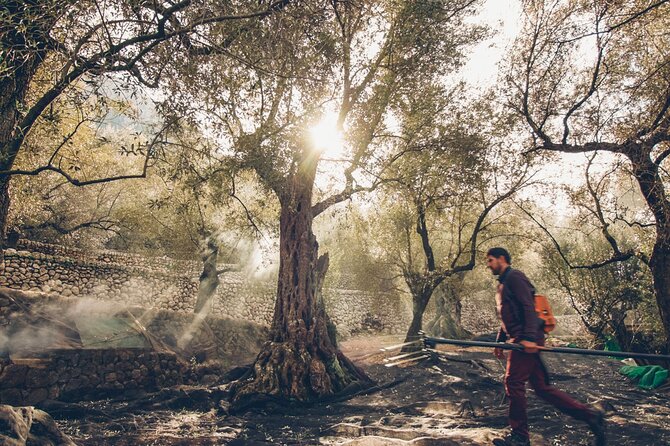
This tour works because it connects three things: tradition, production, and taste.
You learn the ins and outs of local olive oil production in a way that matches the Mallorca system you’re seeing in front of you. You also learn how family cultivation is tied to the activity, including ancient olives and citrus. Then you taste the result in products like olive oil, olives, and orange-based items made from the family’s own citrus activity.
One of the most useful parts for me is the way the guide explains traditional enjoyment. It’s easy to treat olive oil as a product on a shelf. It’s harder to treat it as something you pair, spoon, drizzle, and share. That’s exactly what the brunch setup encourages.
And if you care about taking something home, this is one of the more satisfying tours for that too. People mention that you can purchase bottles directly from the family home, and that it isn’t sold in stores. That makes the bottle feel connected to a real place, not just a souvenir stop.
Who This Tour Fits Best (and Who Should Skip It)
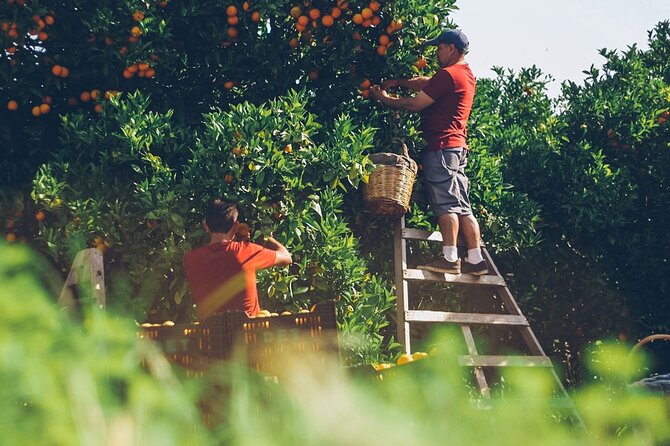
This is a great fit if you want:
- A short, focused olive oil tour that still includes food
- A family-run feel, with a historic home and mill rather than a showroom
- English-language guidance
- A midday plan that doubles as lunch
It’s less ideal if:
- You only care about seeing a working production line with live pressing. Live oil pressing may happen between October and January, but it depends on olive availability.
- You’re expecting plantation walks. The tour specifically says it does not include the orange and olive tree plantations. If you want extra plantation visits, you need to contact the operator in advance.
If you’re traveling with parents, couples, or friends who like local food and simple explanations, it tends to land really well. The whole experience is designed to be approachable, and the tasting is the payoff.
Should You Book This Can Det Olive Oil Tasting Tour in Sóller?
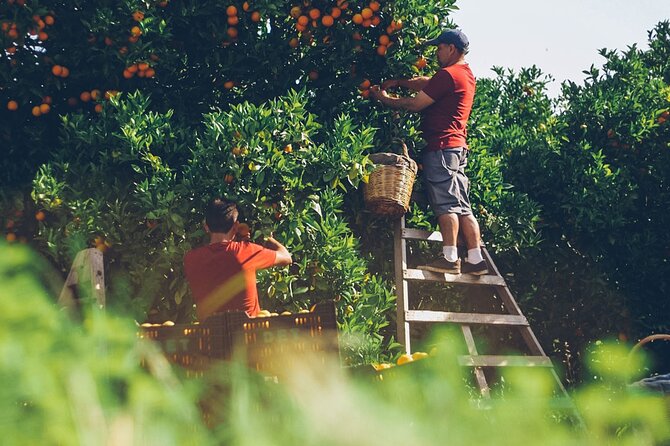
I’d book it if you want a strong Mallorca food story in about an hour. For $31.46, you’re getting the historic Can Det setting, a guided explanation of traditional oil production, a visual presentation, and a brunch-style tasting that goes beyond olive oil alone.
Go if your goal is authentic and practical, the kind of experience where you leave with a better sense of how olive oil fits into local life. Go especially if you can visit in October to January for a chance at live pressing.
Skip it only if you want something longer, or if you want a guaranteed live pressing production show. If you’re okay with seasonal variability, this is one of the easiest “yes” decisions for a Sóller stop.
FAQ
Where does the guided tasting tour start?
The tour starts at Carrer d’Ozones, 8, 07100 Sóller, Illes Balears, Spain, and it ends back at the same meeting point.
What time does the tour run?
The listed start time is 12:00 pm.
How long is the experience?
The duration is about 1 hour.
Is the tour offered in English?
Yes, it is offered in English.
Do I need a printed ticket?
No. You get a mobile ticket.
What is included in the tasting or brunch?
The tasting includes olive oil and olives, Mallorcan bread, tomatoes (including ramallet tomatoes), cheese, toasted almonds, marmalade, and other typical products. Drinks include orange juice, water, and local wine.
Will I see olive oil production at the mill?
Yes. The visit includes seeing the historic house of Can Det and the oil mill where the traditional production system is preserved, plus an audiovisual presentation of the process.
Can I see live oil production during the tour?
Between October and January, you might be able to see the oil production live, depending on the availability of olives. Live viewing is not guaranteed year-round.
Does the tour include visits to olive or orange tree plantations?
No. The tour does not include the orange and/or olive tree plantations. If you want extra plantation visits, you need to contact the operator in advance.
Is free cancellation available?
Yes, you can cancel for a full refund up to 24 hours before the experience’s start time.
Are service animals allowed, and is it near public transport?
Yes, service animals are allowed, and the meeting point is near public transportation.
Recently reviewed around Mallorca
- Guided Kayak & Hike from Sant Elm to Sa Dragonera★ 5.0 · 28 reviews
- Western Water Park, Entrance tickets★ 4.0 · 30 reviews
- Sailing Flavors, Gastronomy and Relaxation at Sea★ 5.0 · 15 reviews
- 60 minutes Jetski Rental in Alcudia Bay★ 4.5 · 33 reviews
- Yoga and Brunch on the beach★ 5.0 · 9 reviews
- Wine tasting with wines from the smallest wineries in Mallorca★ 5.0 · 10 reviews
- Western Water Park Day Trip from Mallorca★ 3.5 · 6 reviews
- Sa Clasta Wine Tours, Mallorca★ 4.5 · 20 reviews
Olive Oil Tastings, compared.
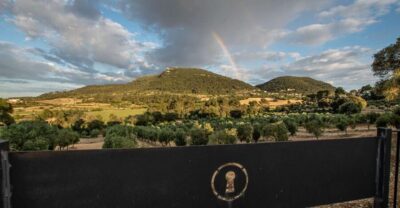
Visit of the olive grove, olive oil tasting and snack
Read our review →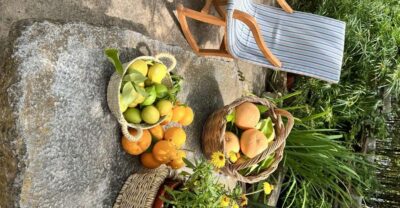
Orange Farm, Olive Mill, & Winery Tour with Tastings
Read our review →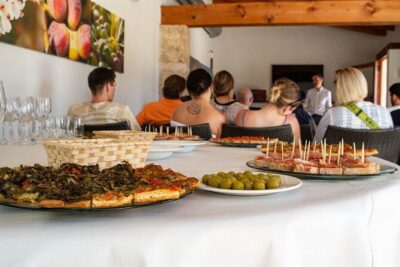
Tour to olive grove and olive mill, oil tasting and snack
Read our review →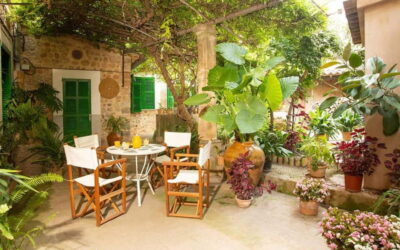
Olive Oil Guided Tour and Tasting at Can Det Estate
Read our review →
Small group- Exclusive Olive Oil & Wine Tour Mallorca
Read our review →Browse the lists this tour appears in